Blacktail - America’s Best New Cocktail Bar
Our partnership with Sean Muldoon and Jack McGarry had already delivered the title of ‘World’s Best Cocktail Bar’ on three previous occasions. Blacktail was the third co-creation that looked at first like the difficult concept album from the band that had already gone platinum. This one turned out pretty well too - probably our favourite of the lot and winner of ‘America’s Best New Bar’ at the coveted Tales of the Cocktail Spirited Awards. Our involvement with BlackTail encompassed the overarching creative & historical positioning, naming, branding, interior design, storytelling, menu design, marketing and everything else in between.
Creative Positioning
Aligning with our client on a Cuban Bar concept meant uncovering a reason to create such a bar in NYC. The research was relentless and a connection was found that formed the foundations of a great bar story.
Naming & Branding
The strong research based foundations naturally led to a name that celebrated the prohibition era ‘Liquro Tourism’ connection between NYC and Havana when the wealthy left the Dry States for the Wet Islands.
Interior Design
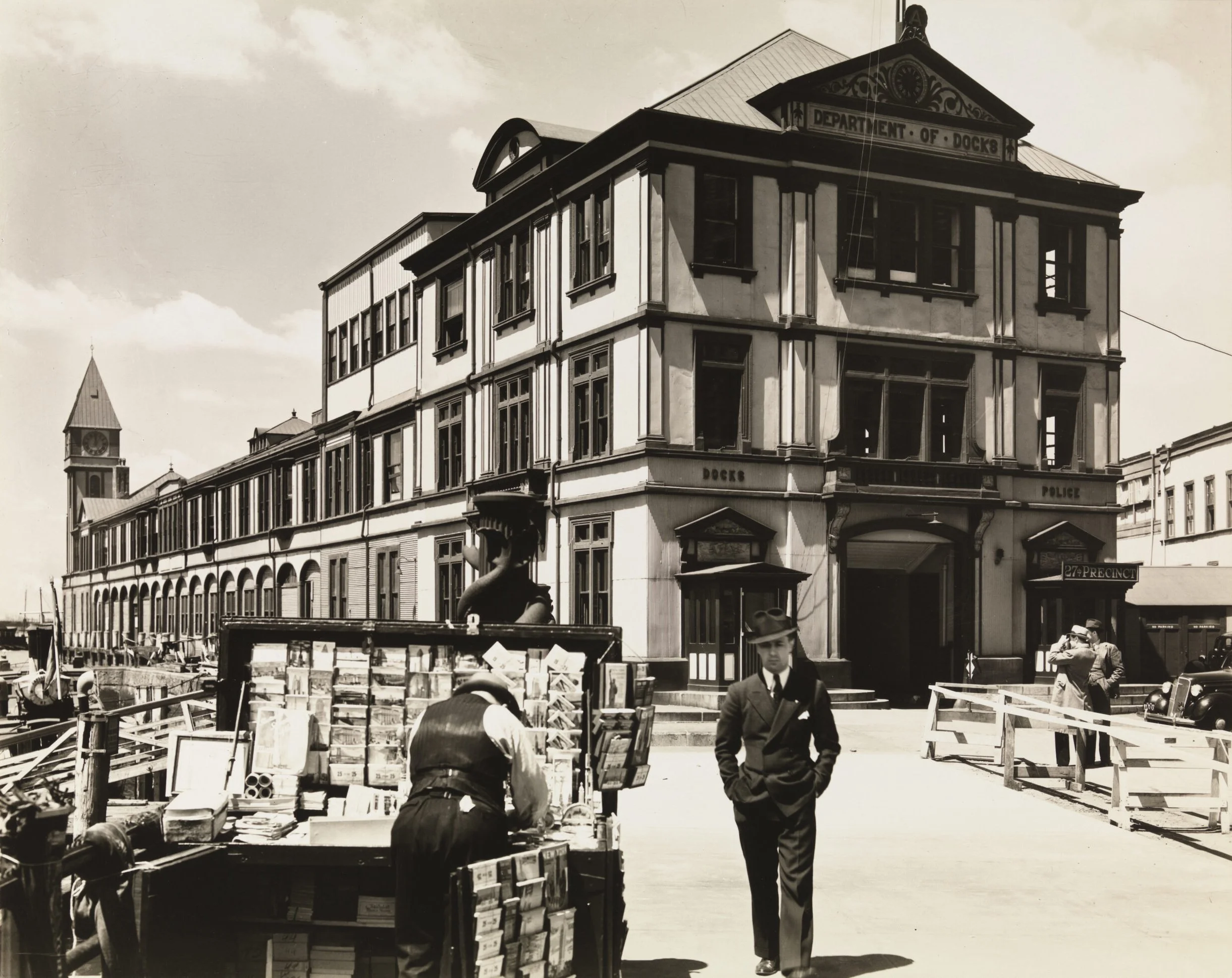
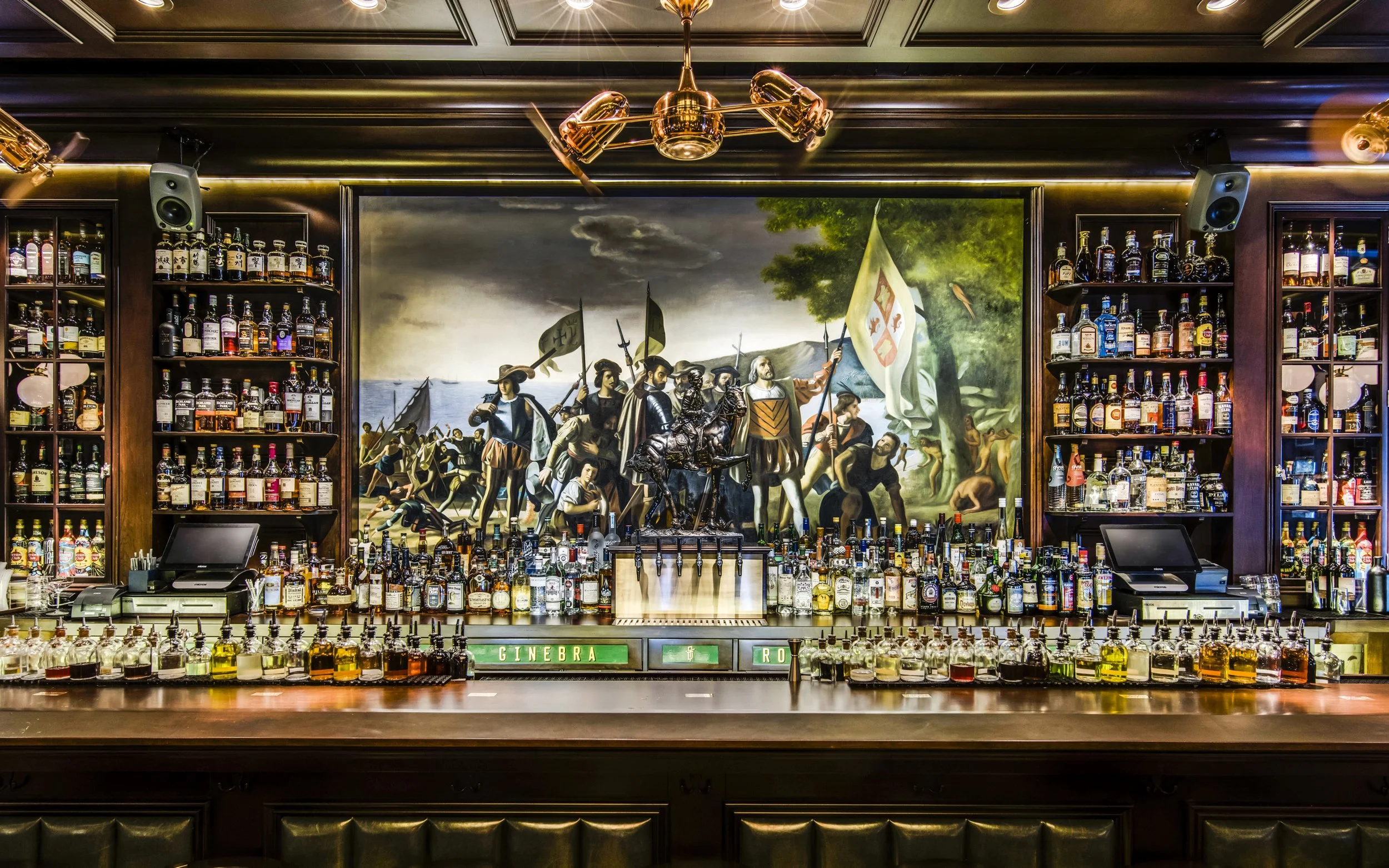
One of the world’s most thoroughly researched and historically detailed bar designs that transported customers in both time and place. Now pull up a seat on Hemingways most coveted stool design.
Menu Creation
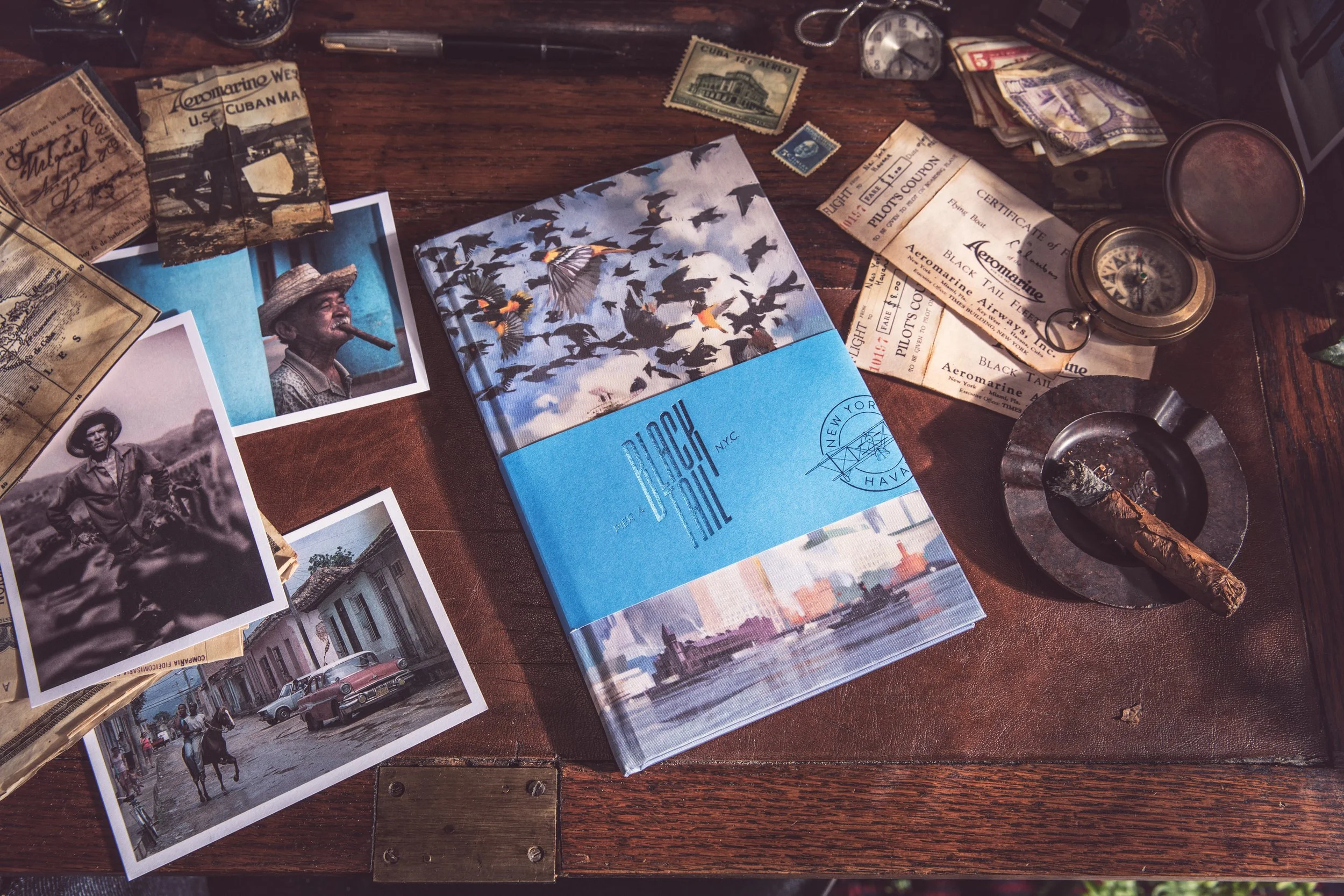
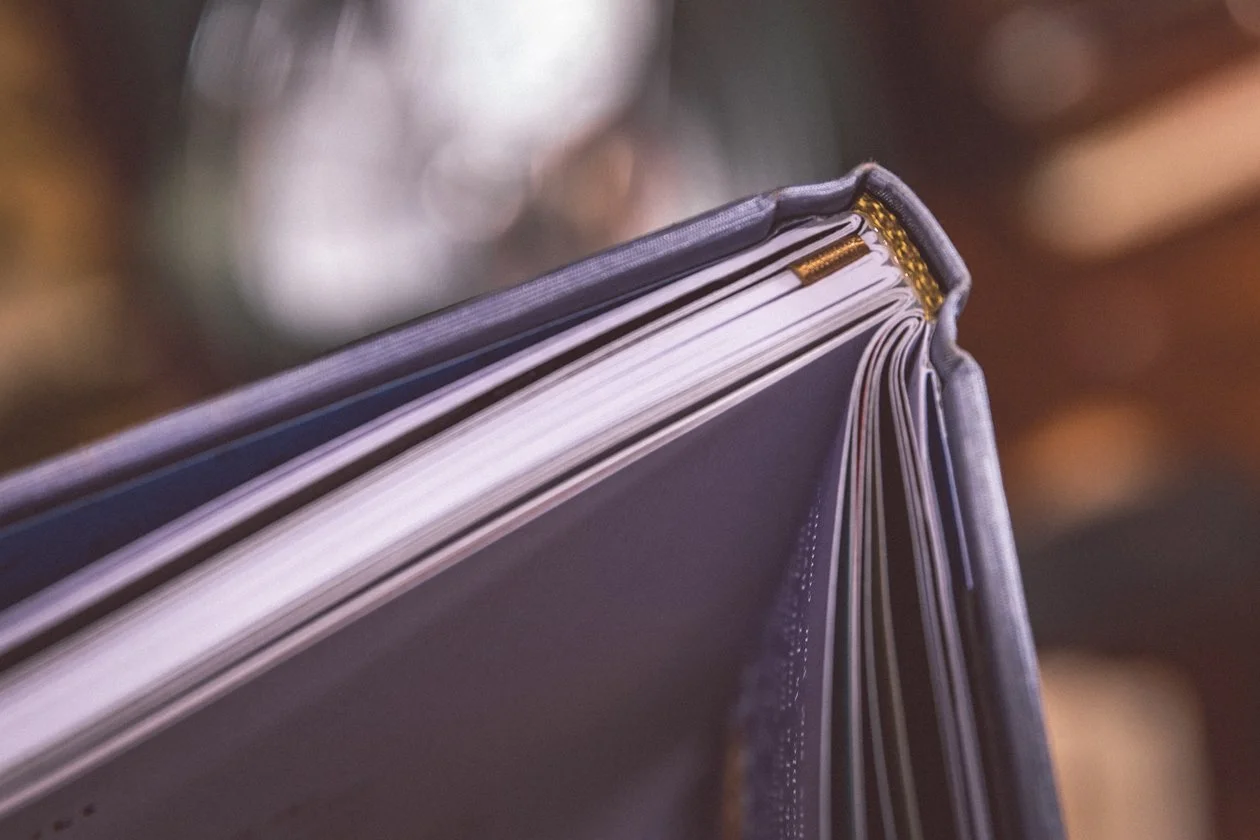
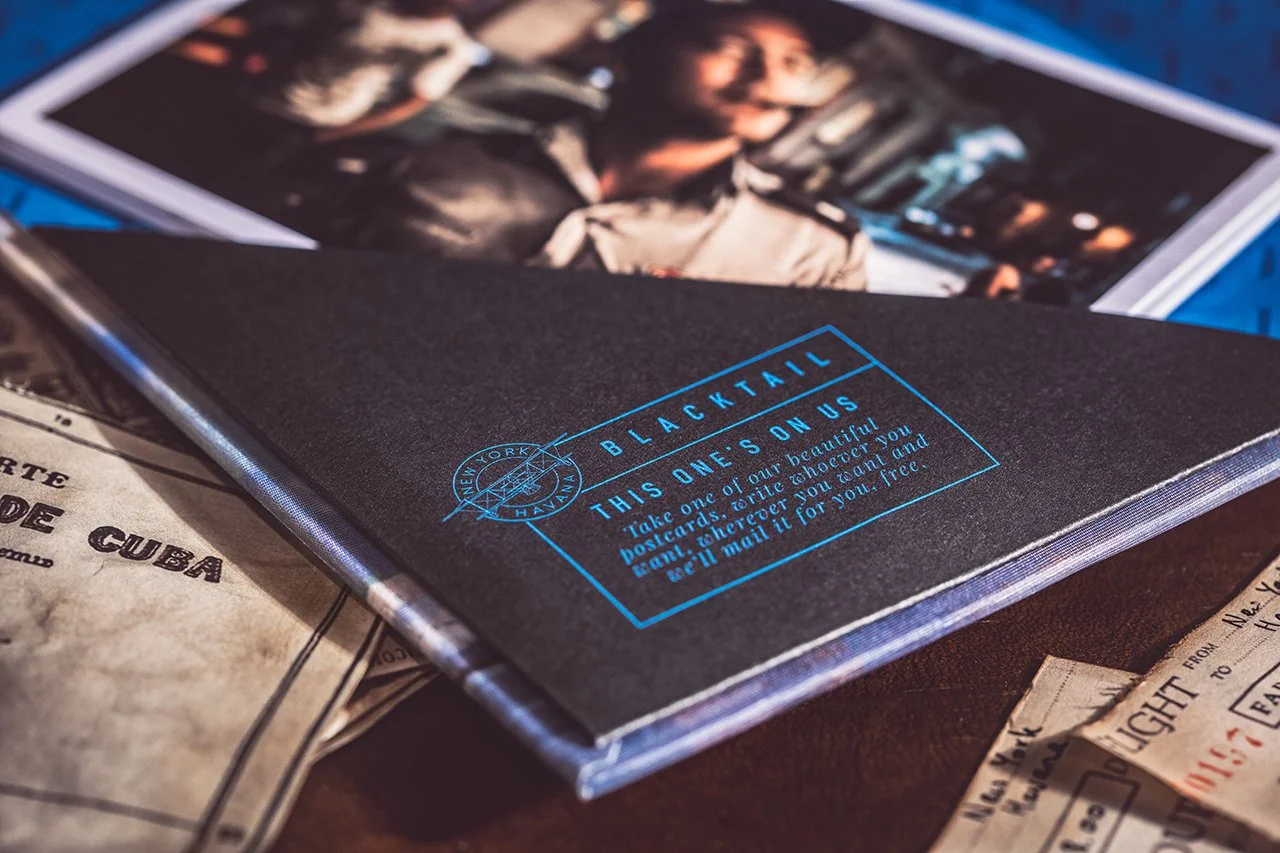
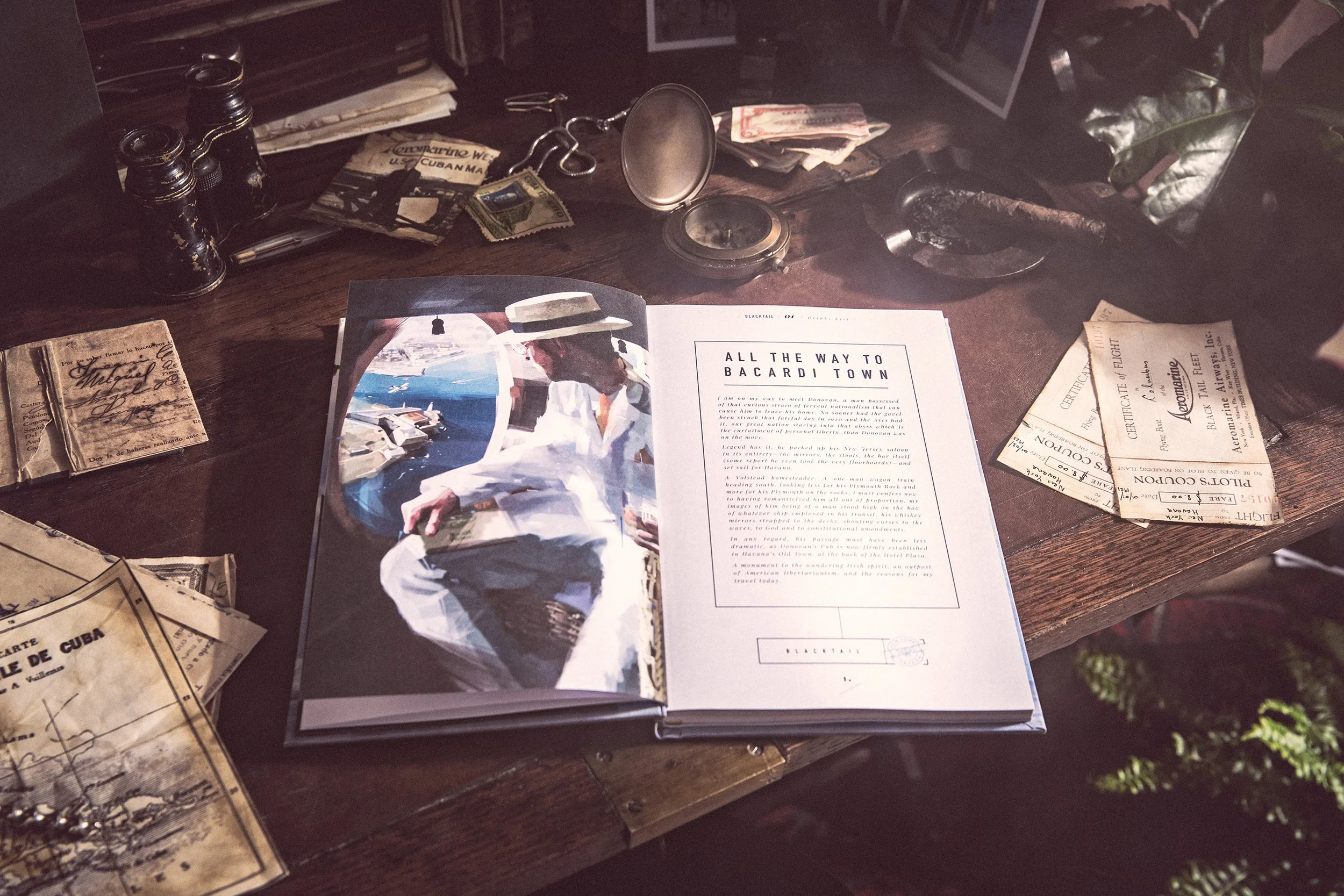
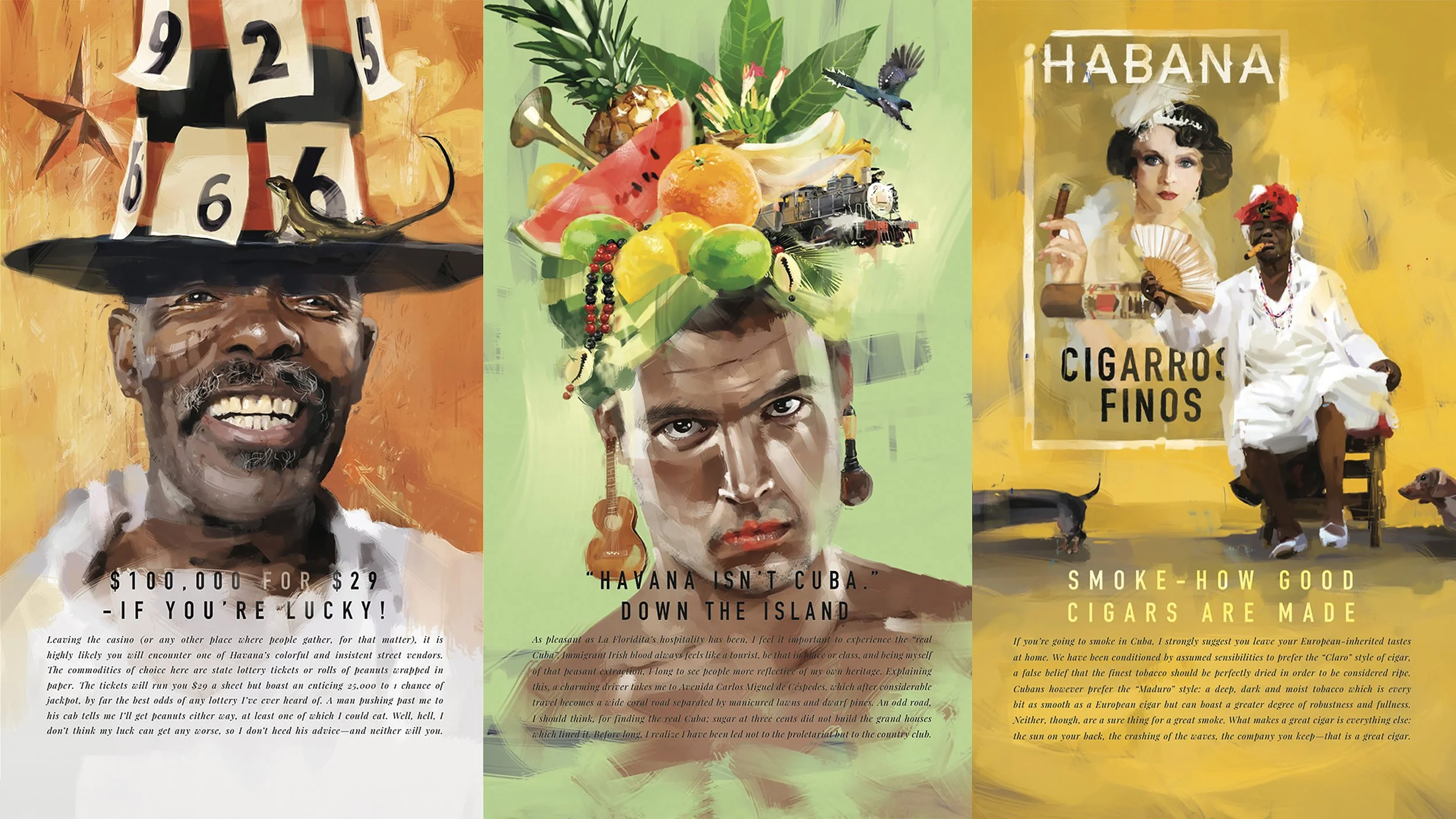
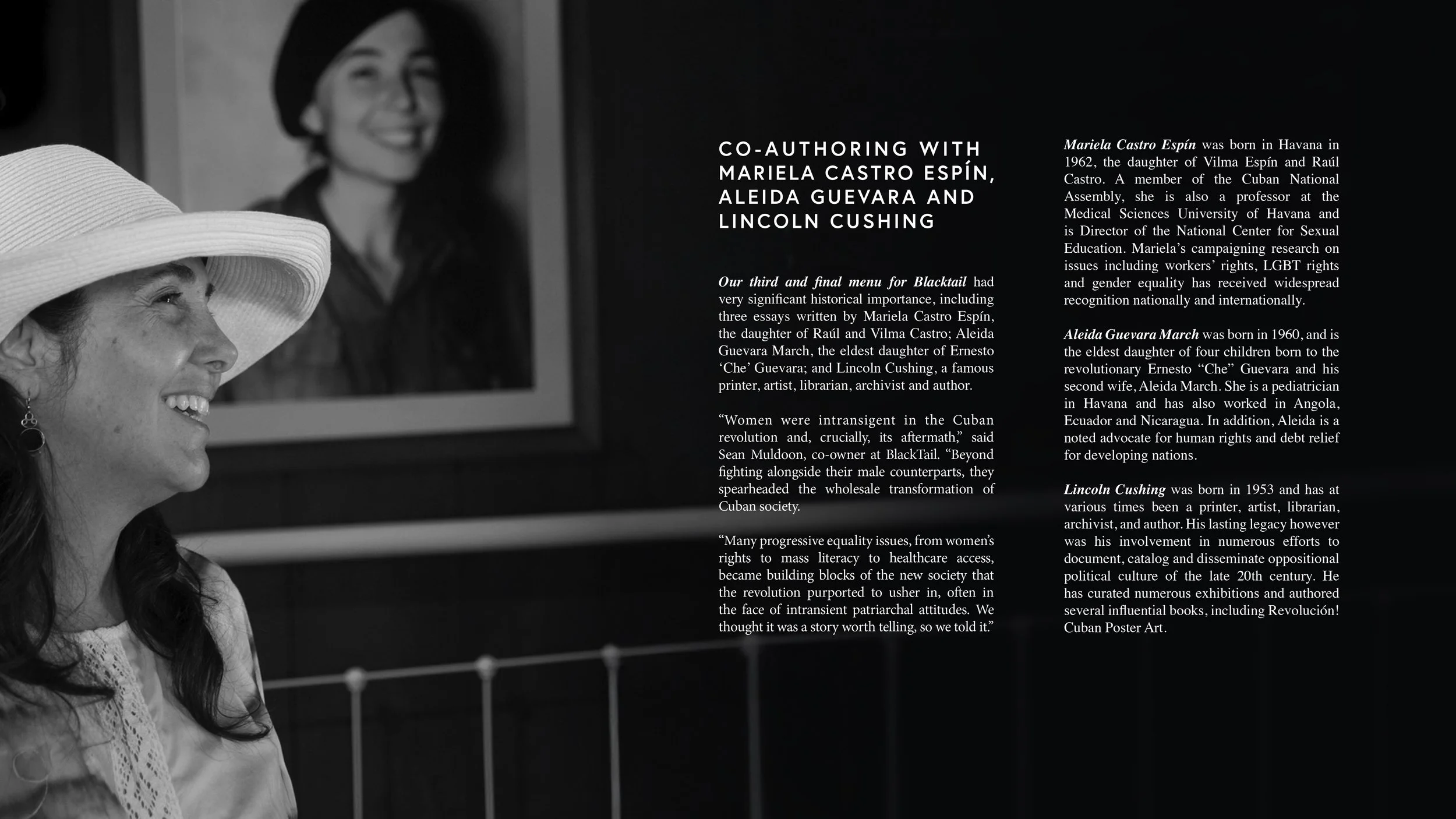
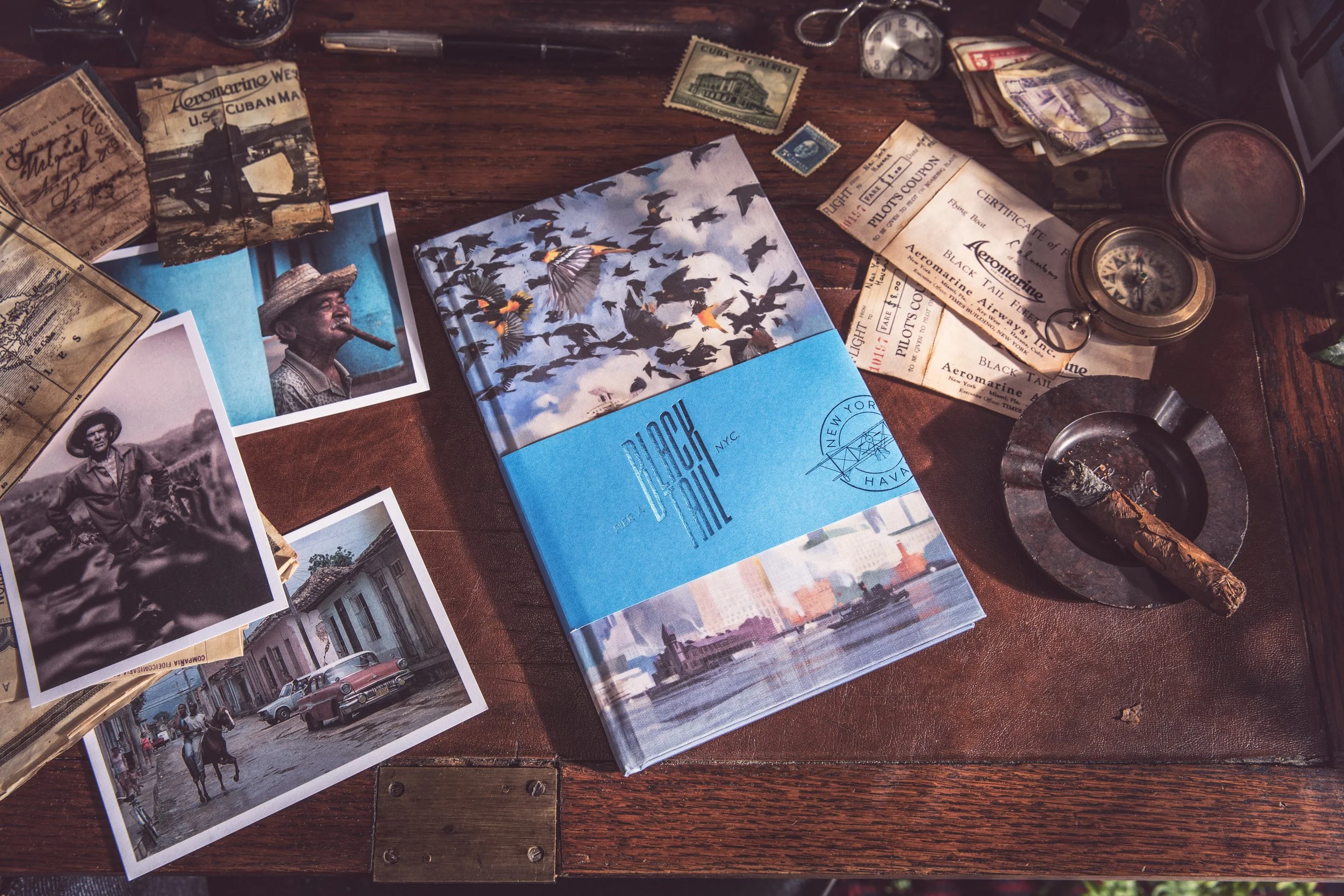
These 88-page linen hardback menus first takes guests on a 1920s Havana voyage and culminates in essays by Castro and Guevara’s daughters, celebrating the role of women in Cuba's post revolution society.
Promotional Marketing
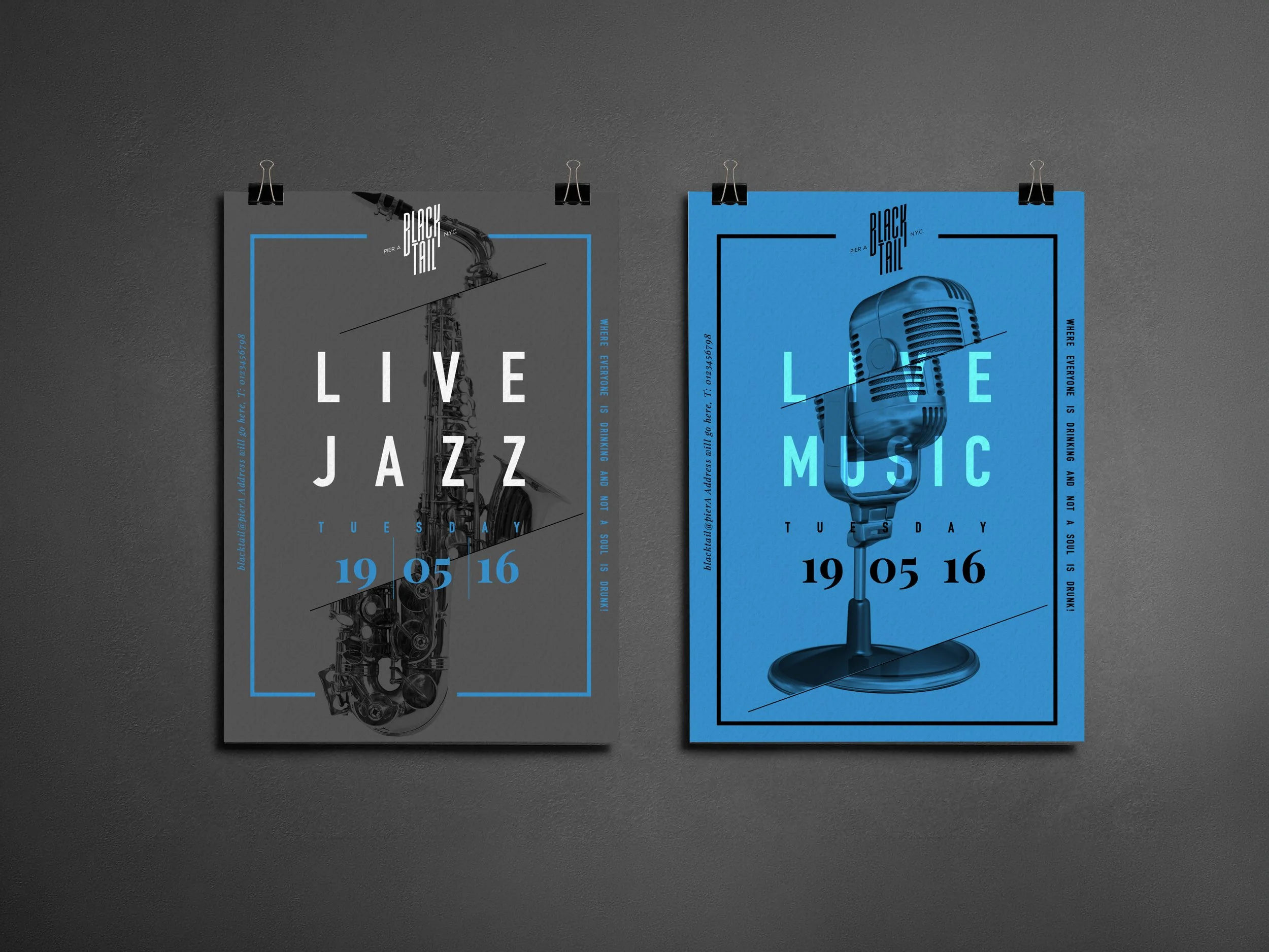
As if we didn’t have enough to do already, we supported our client with all the service needs of the bar from websites to promotional materials and seasonal menus - we had it covered.
Art Curation
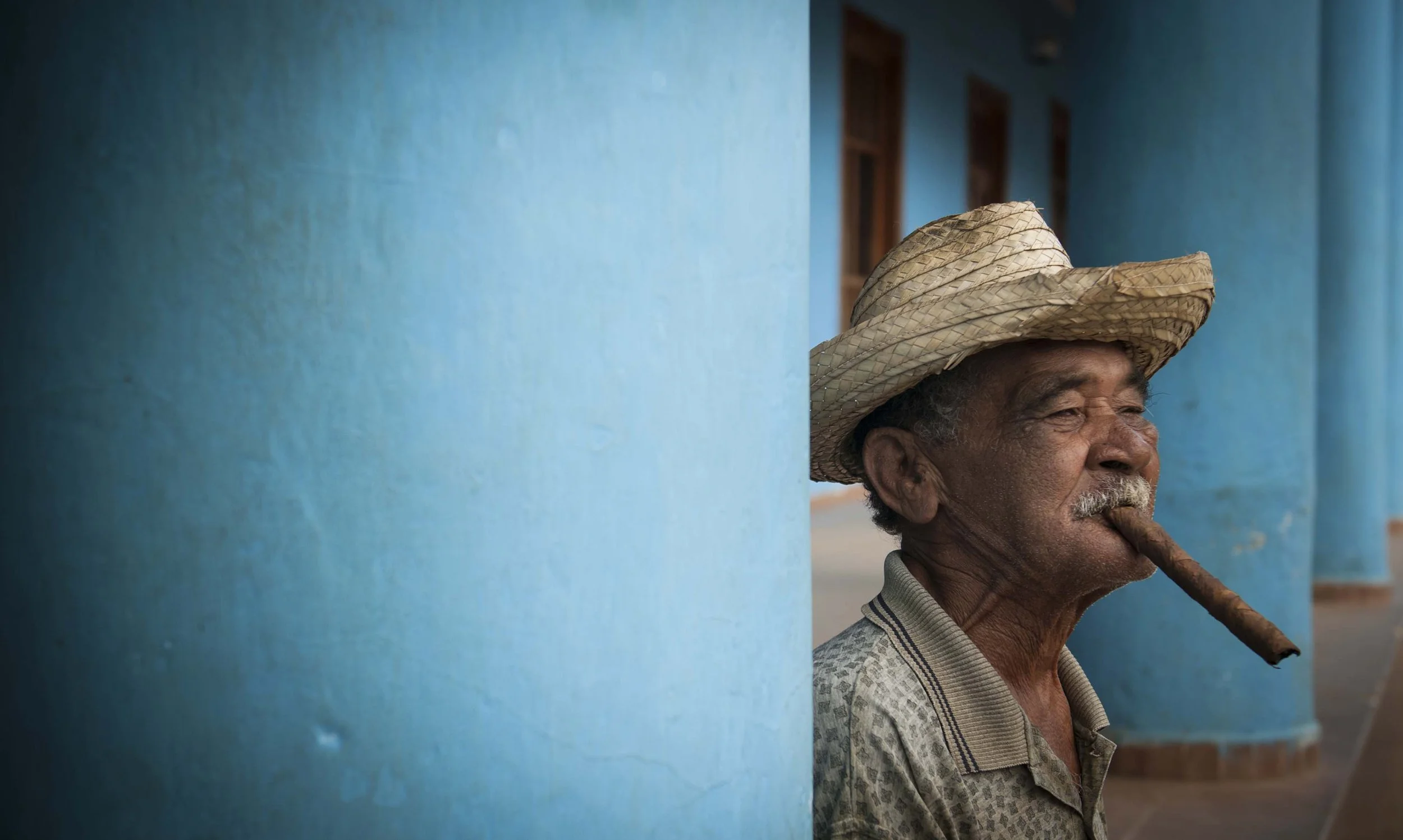
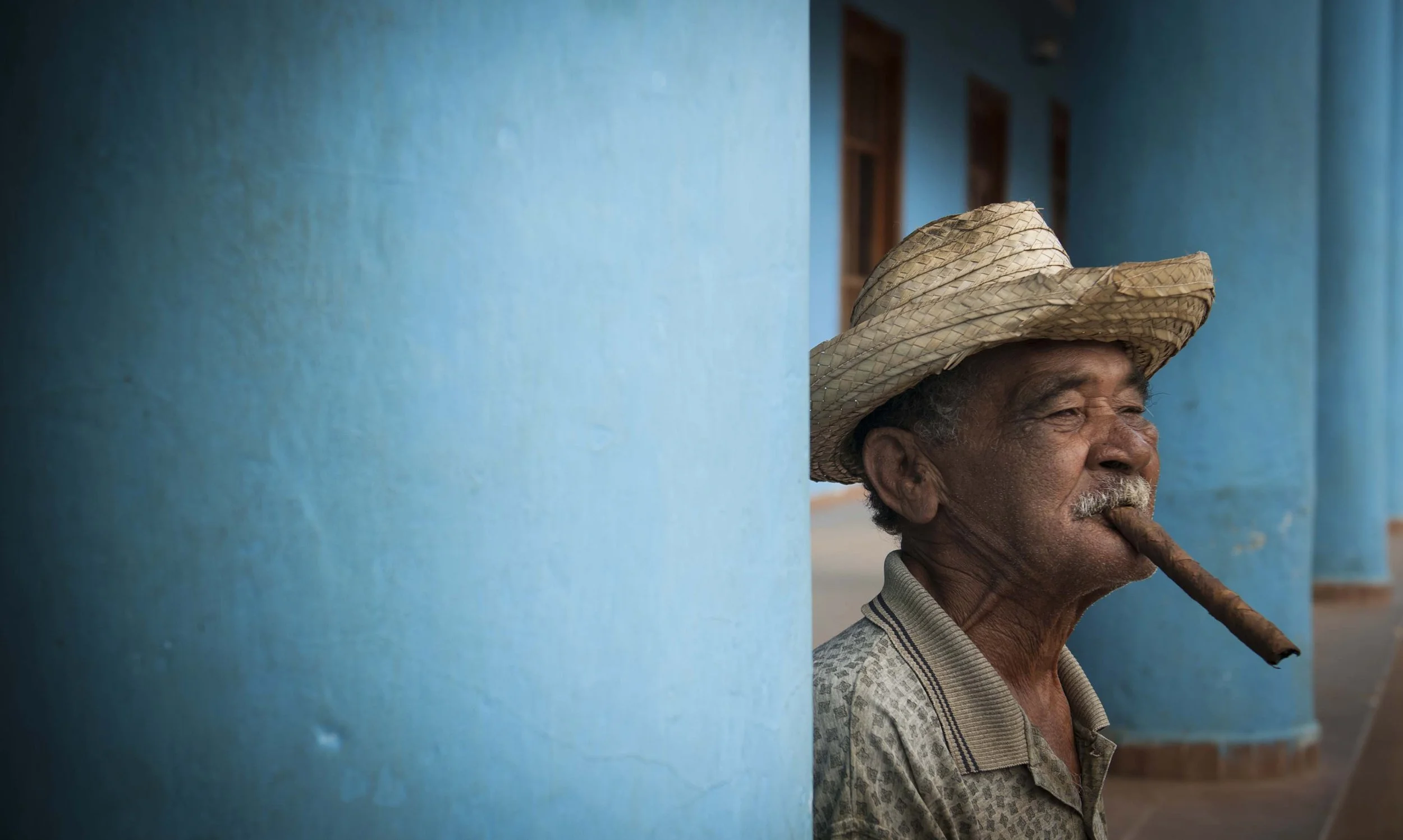
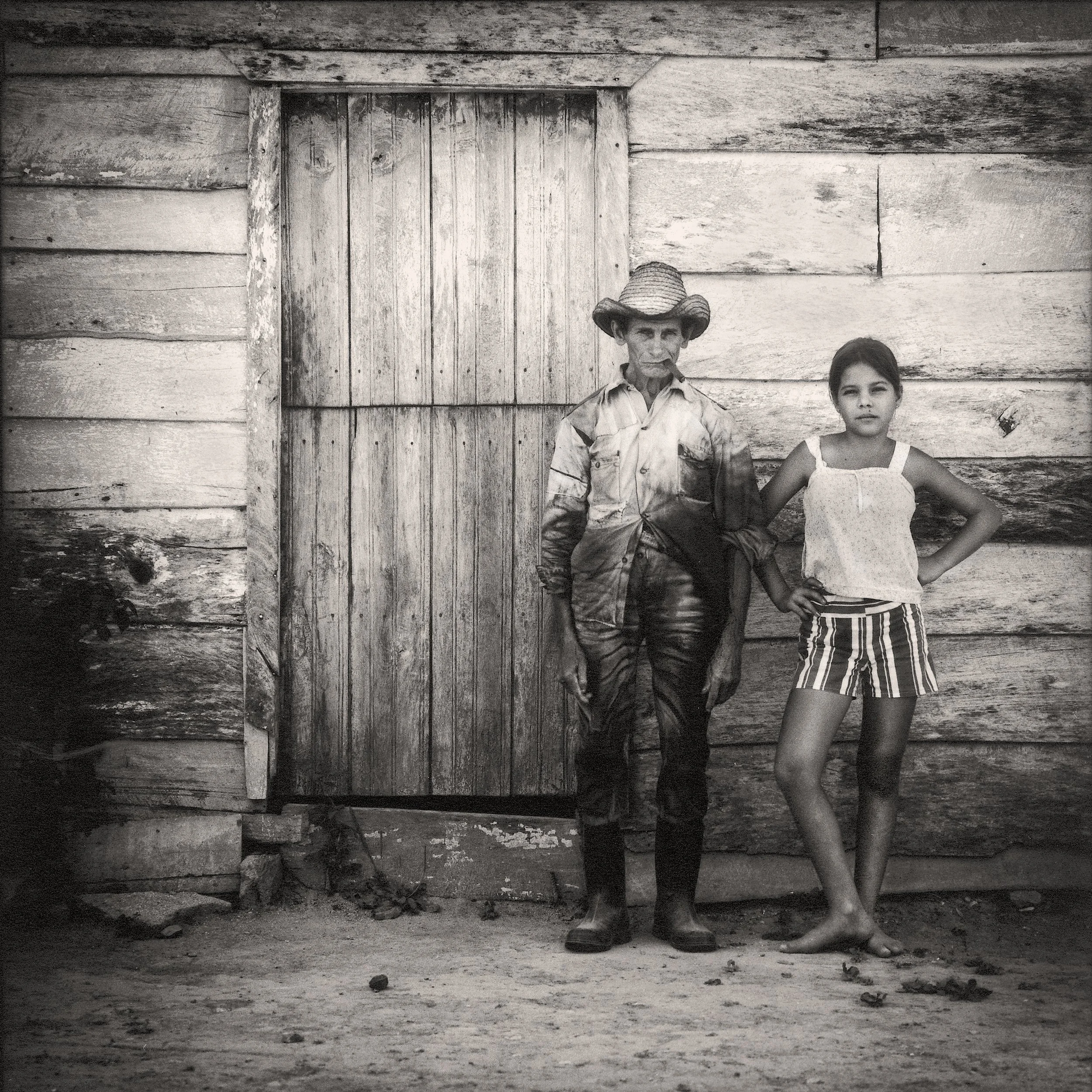
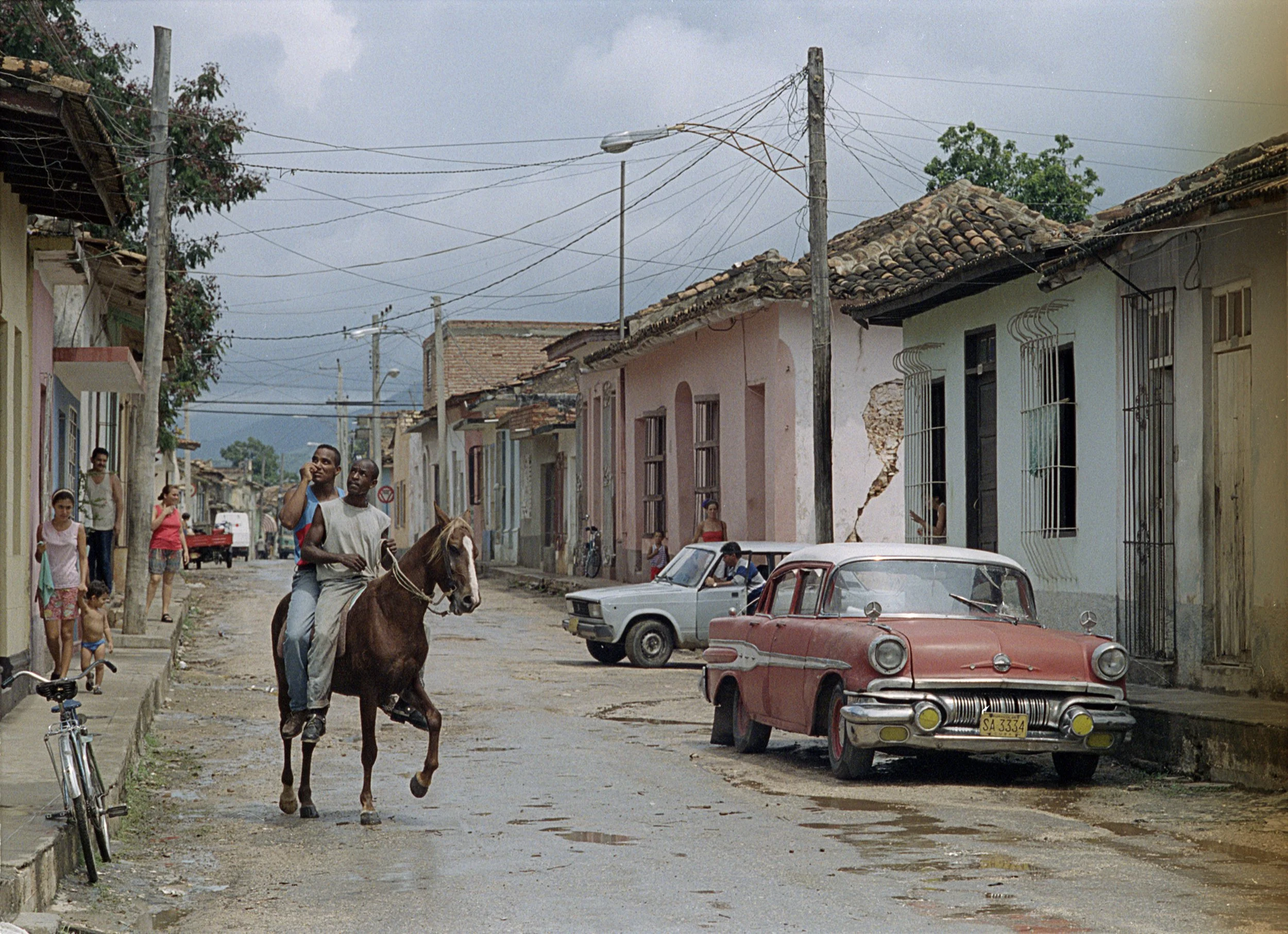
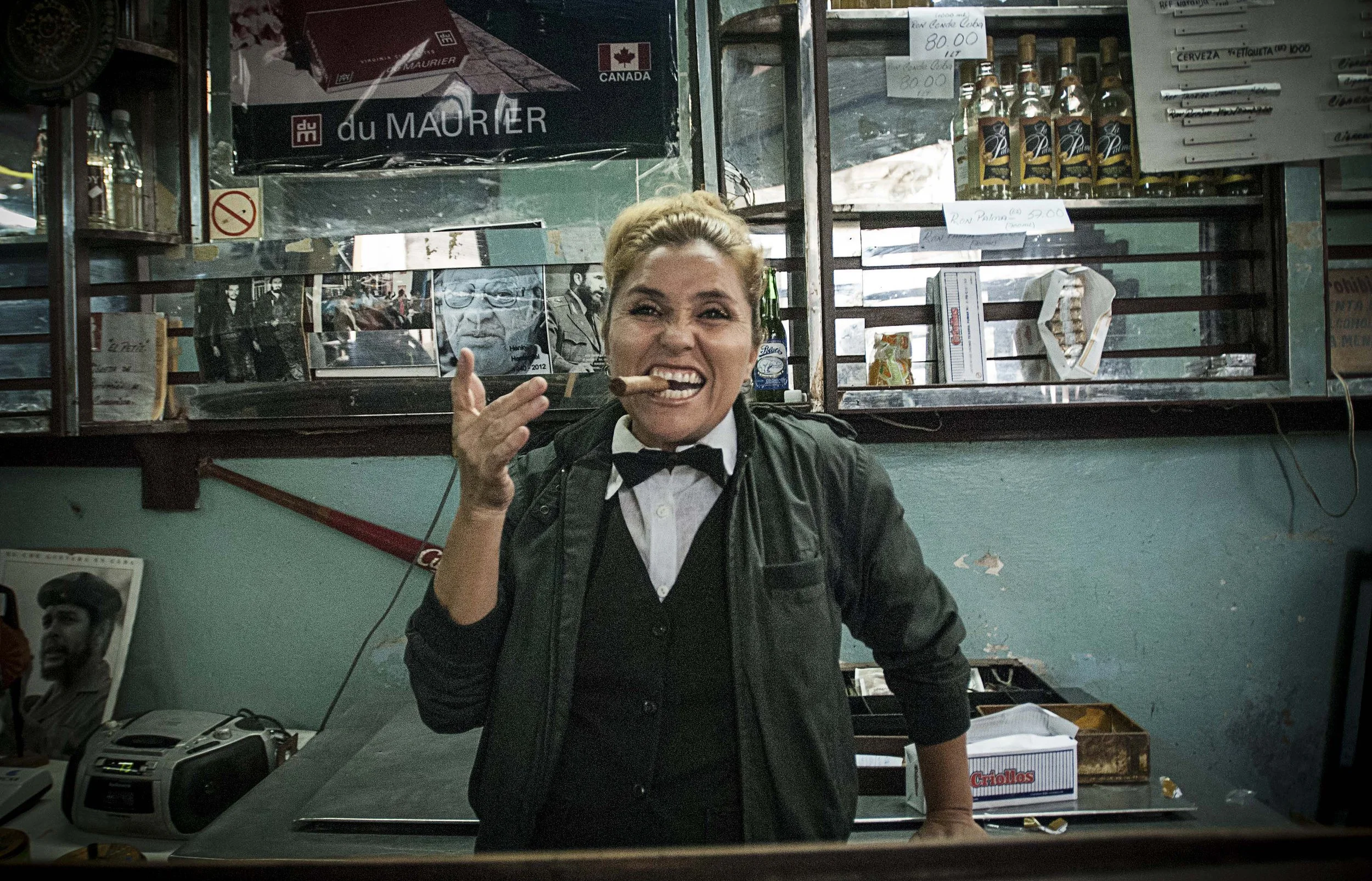
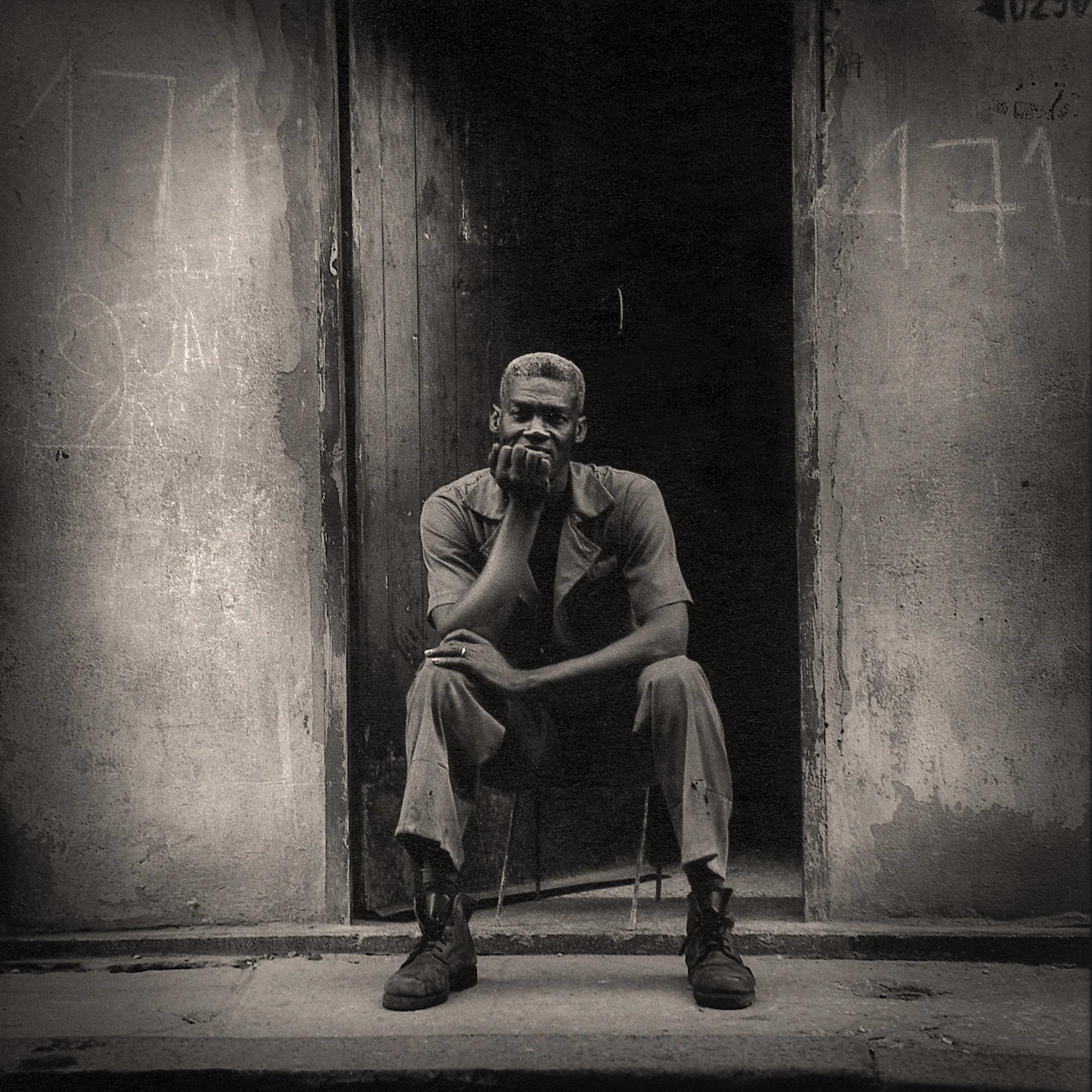
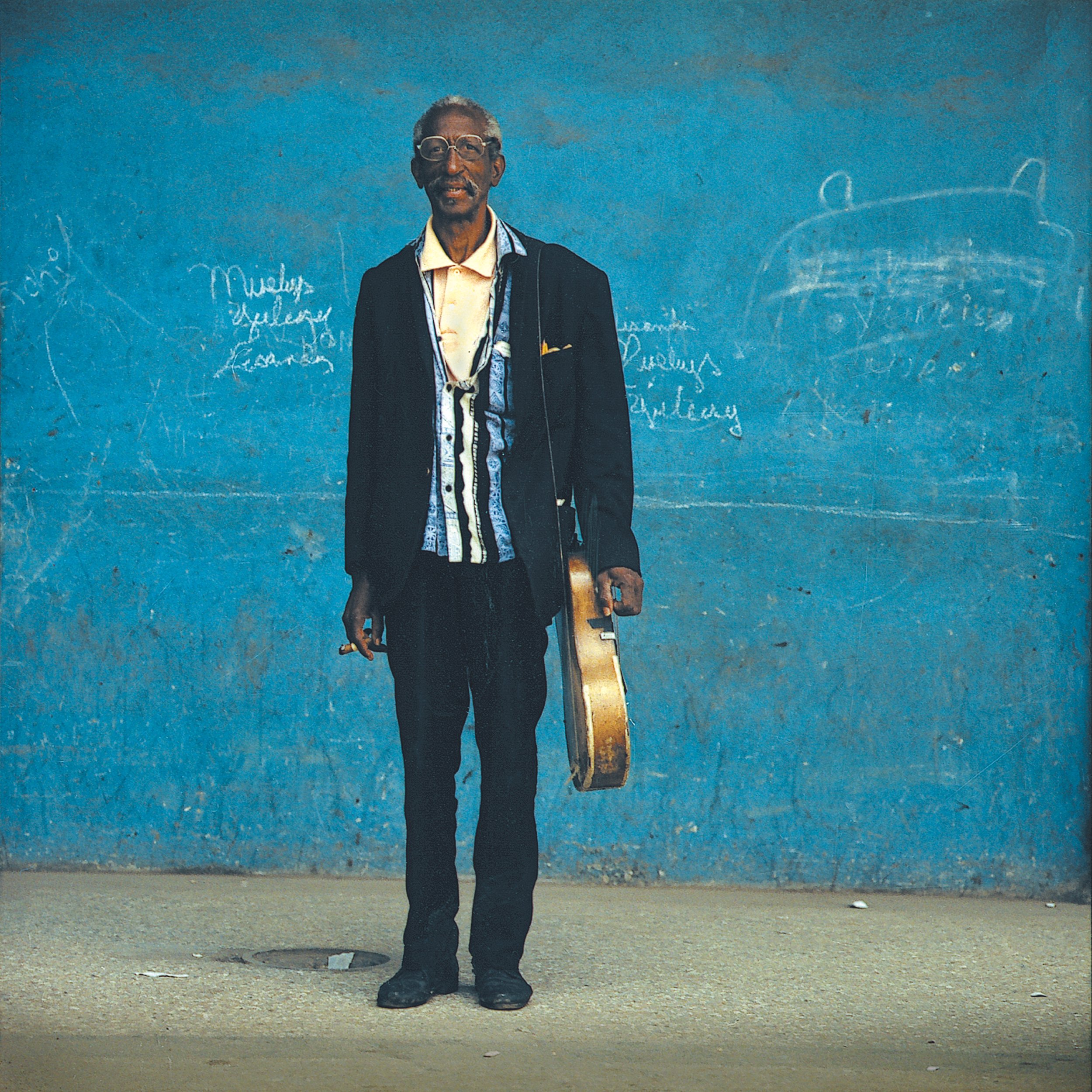
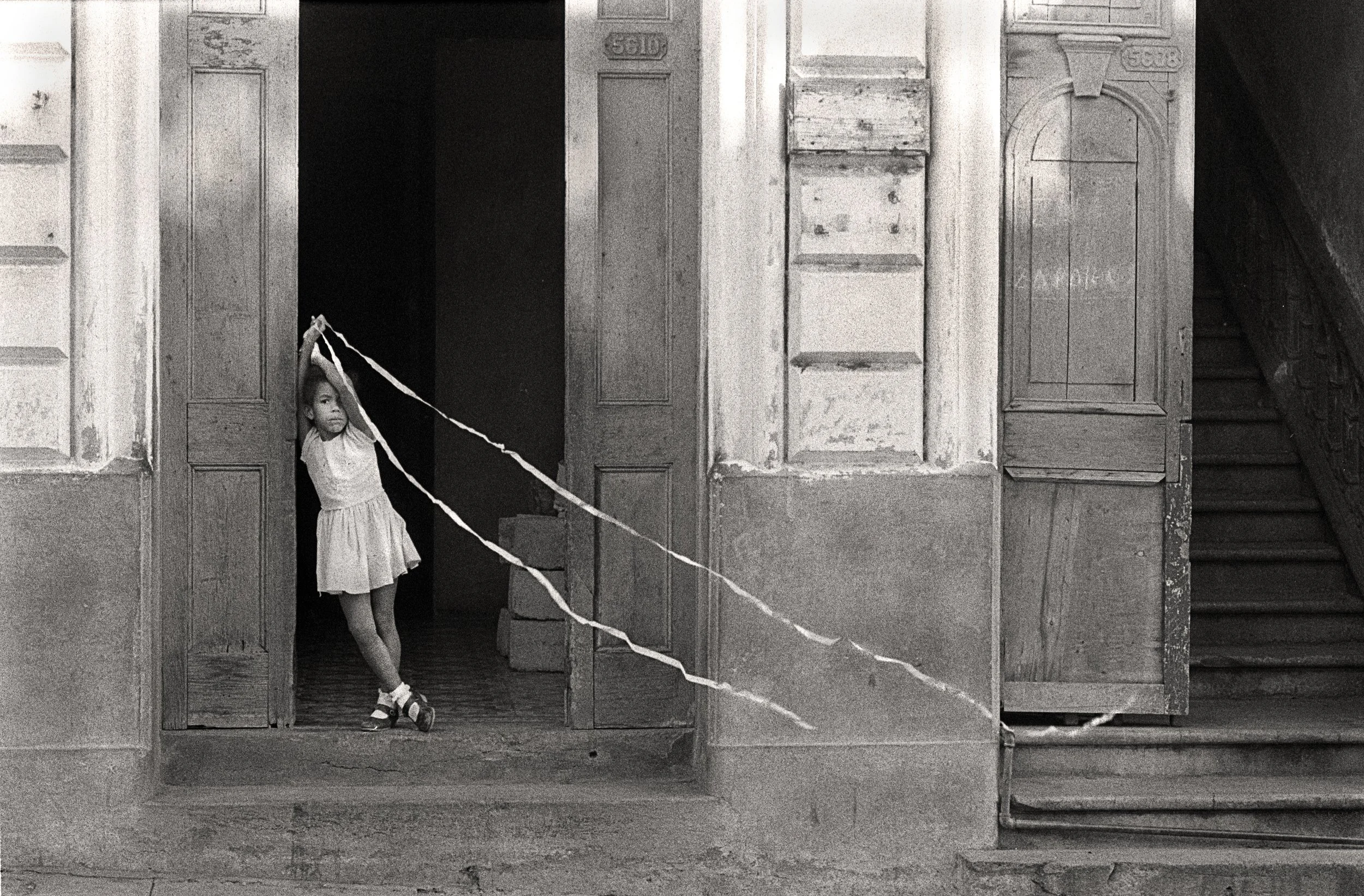
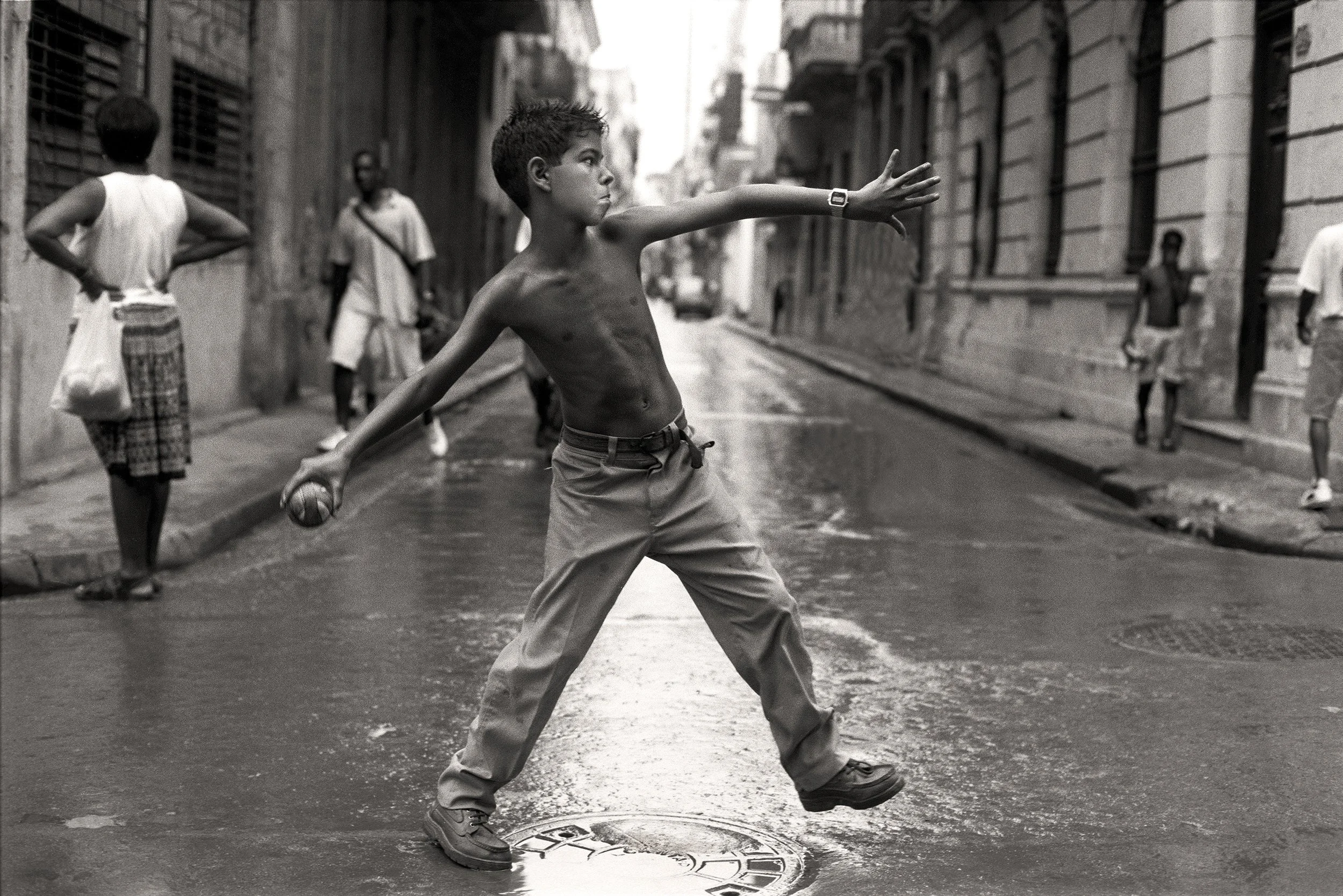
A Havana travel disaster led to a chance meeting with photographer Vern Evans, forging BlackTail’s soul. His 300 commissioned images of Cuban life ultimately lined the walls of the New York venue's walls.
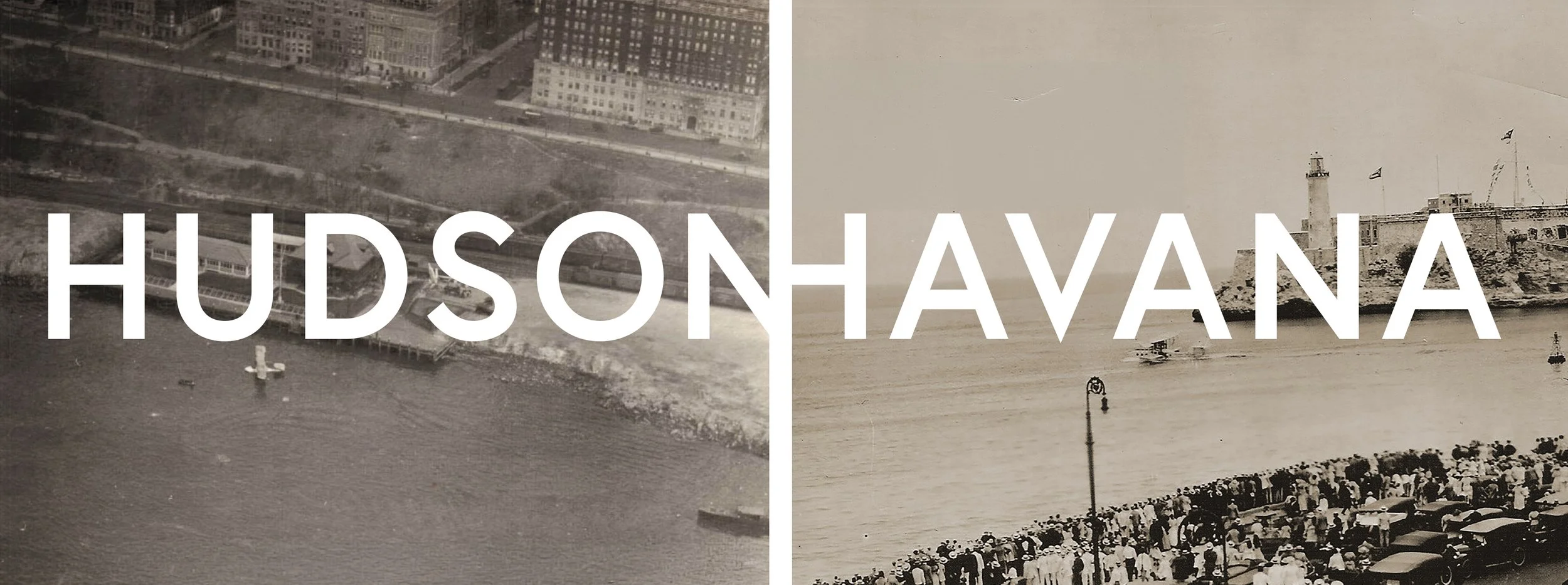
Prohibition, the Hudson and Havana
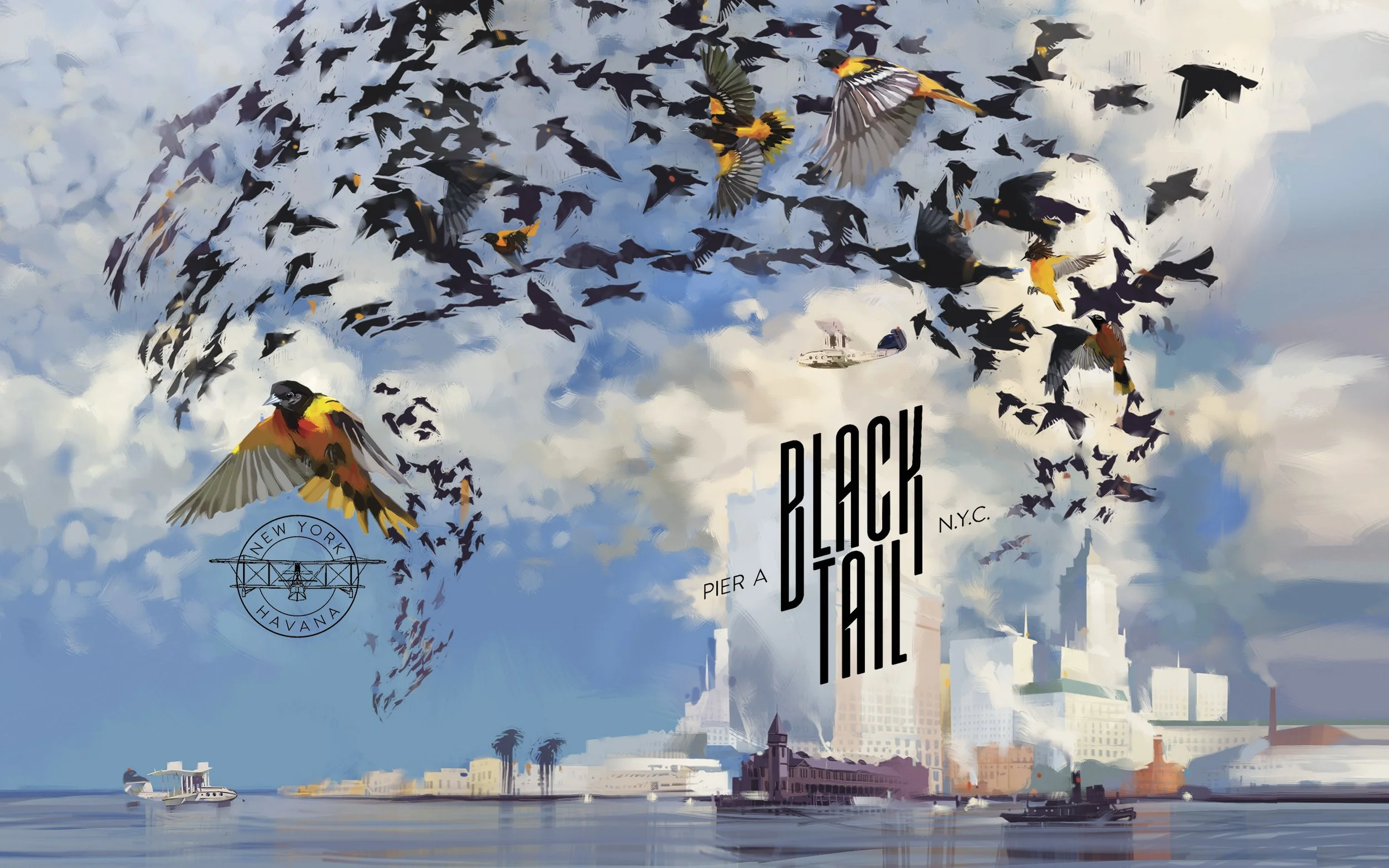
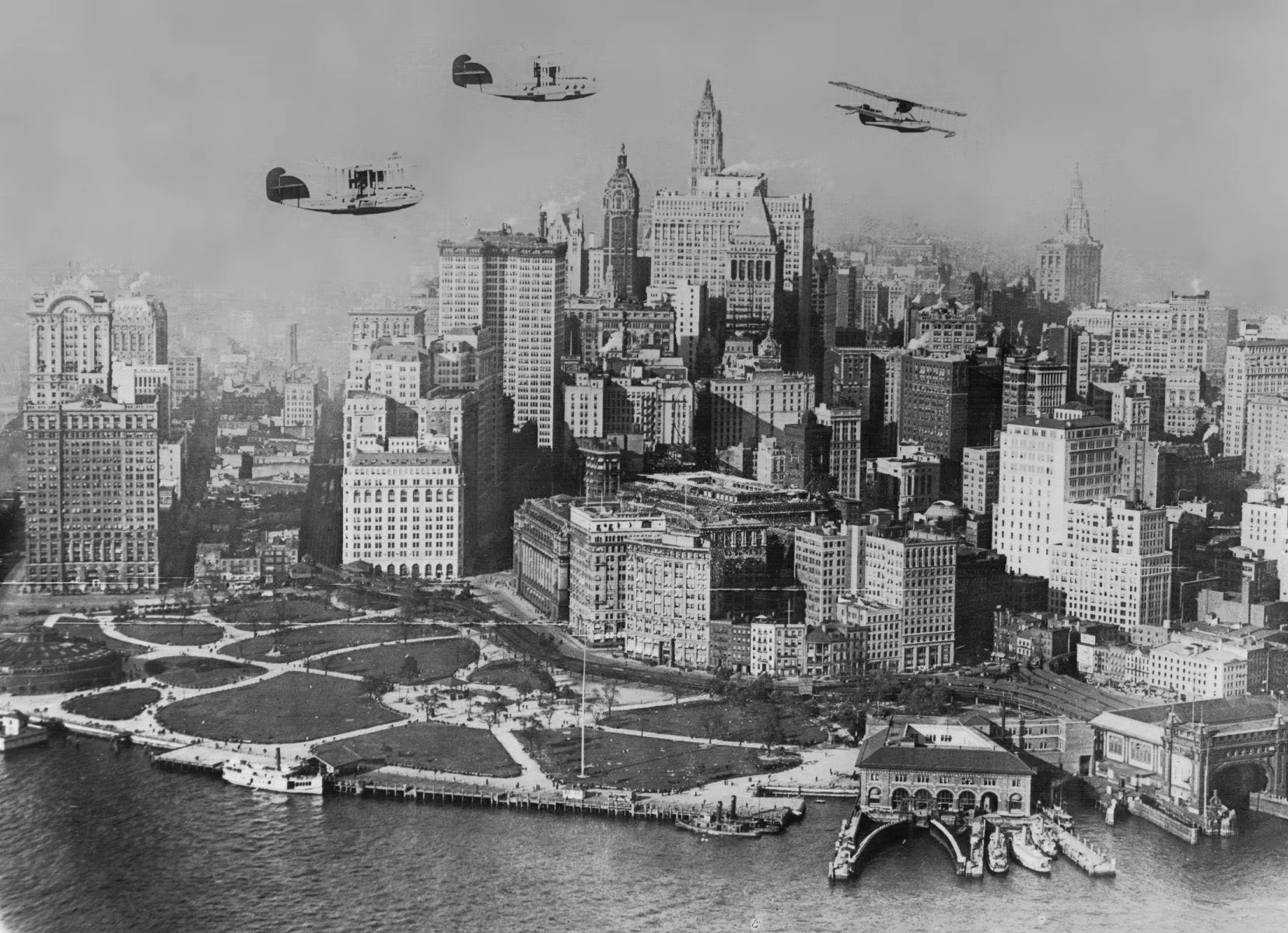
Situated at the historic Pier A on the Hudson River in Manhattan, BlackTail transports its clientele to Prohibition-era Cuba – a time when the greatest American bars upped roots and moved from the ‘dry’ States to the ‘wet’ island of Cuba. Prohibition commenced in 1920 and with it dawned an age of ‘Liquor Tourism’. In 1922 the Aeromarine Company commenced the first flying boat service from their Hudson River terminal. Nicknamed the HiBall Express, this fleet of flying limousines was tricked out with wicker chairs and mahogany veneers, each carrying around a dozen wealthy passengers via Atlantic City, Beaufort, South Carolina, Miami and Key West en-route to sunny Havana. Seeking a bridge between the Hudson River and Havana, we spent months identifying a direction of travel, followed by more months alongside aviation historians uncovering an incredible story of vice and virtue - Aeromarine. Run by maverick Inglis Moore Uppercu, this intrepid business provided the historical credence needed to honour the concept of Americanisation of the cuban bar scene and the boom of cocktail culture as a result.
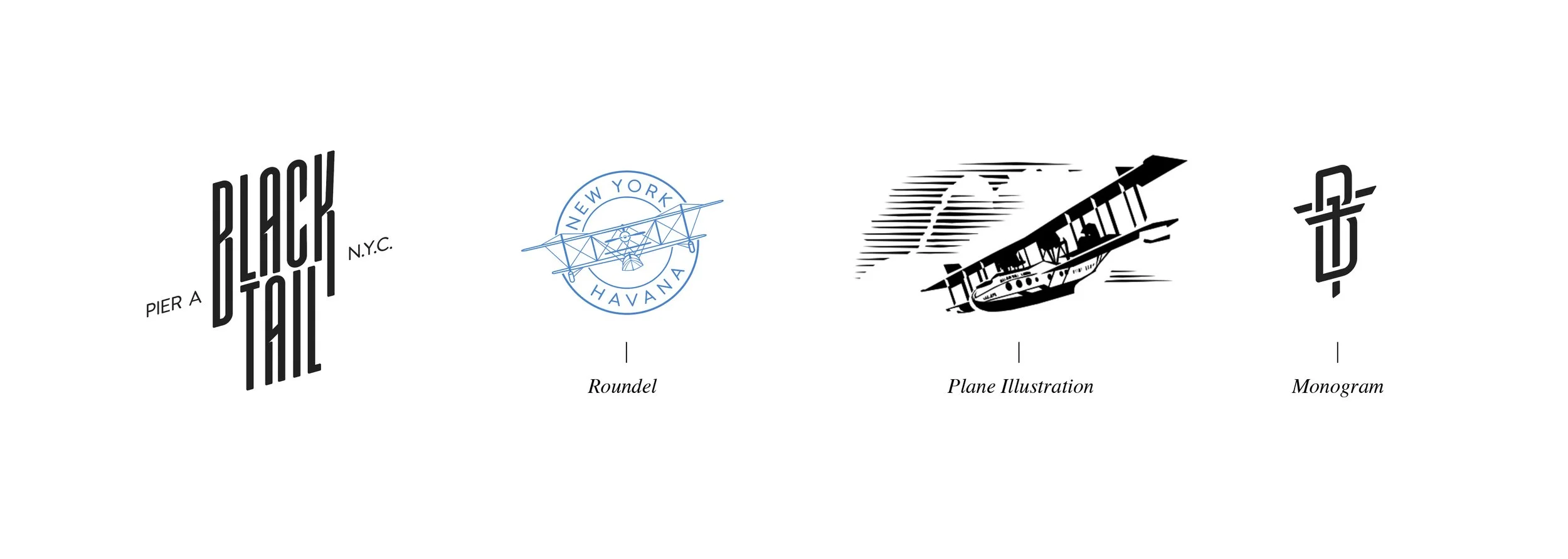
A flexible branding system
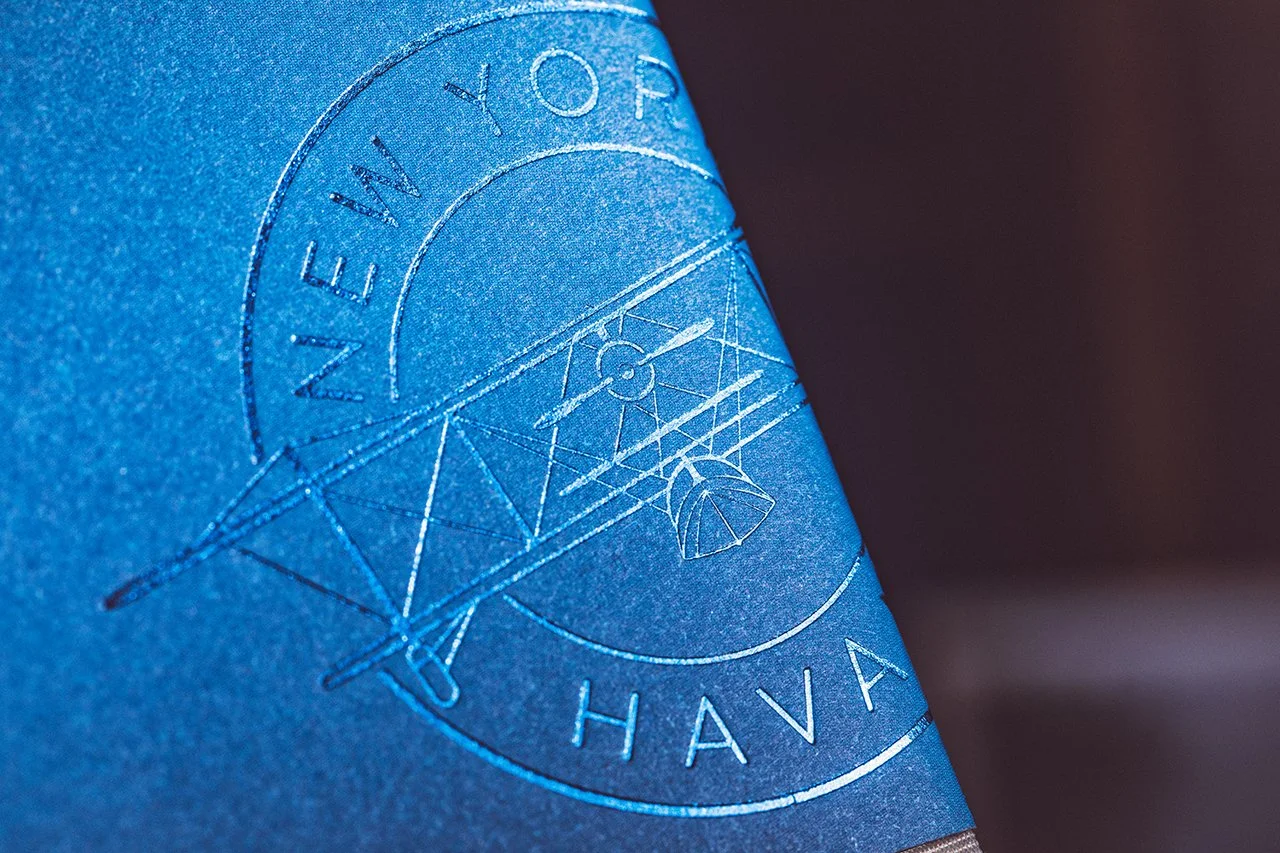
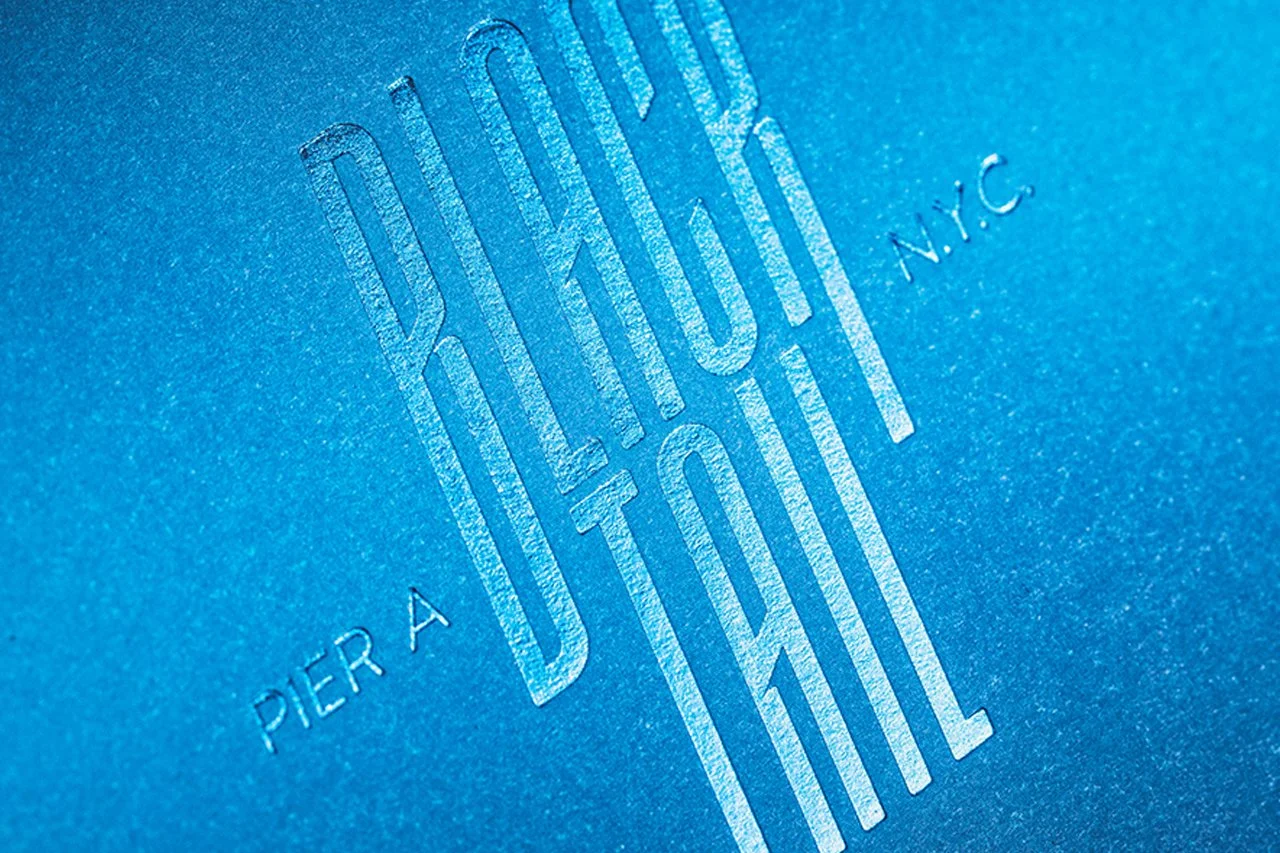
The branding for Blacktail is an exercise in flexible identity, extending far beyond a singular mark. While the primary logo pays homage to its aviation roots - angled at the precise take-off degree of an Aeromarine Model 75 planes - additional supporting elements allow for diverse design execution. Once inside, the aesthetic shifts; a refined monogram takes center stage, subtly reinforcing the brand where the name is already understood. The suite is further enriched by patterns and evocative illustrations, ensuring an authentic design language.
Transportation by design.
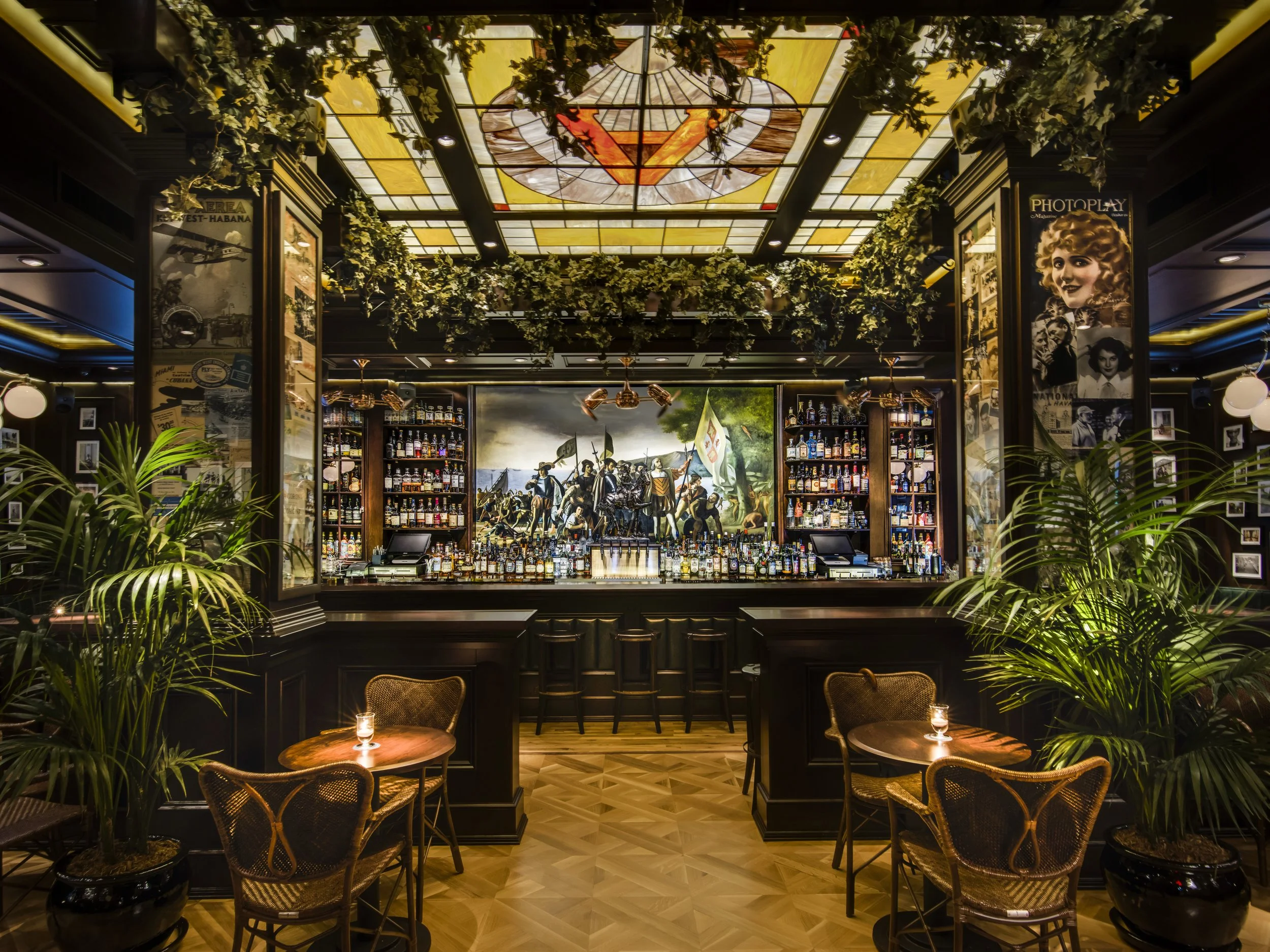
The finished interior was an exercise in fanatical precision, avoiding the pitfalls of a “themed” space to instead cultivate a living, breathing historical atmosphere. Remember, the conceptual anchor was not a “Cuban bar,” but rather a tribute to the grand American bars that migrated to Havana between 1920 and 1953. This distinction was vital; the design does not merely mimic a tropical aesthetic but captures the decadent, trans-national elegance of that era’s cocktail culture.
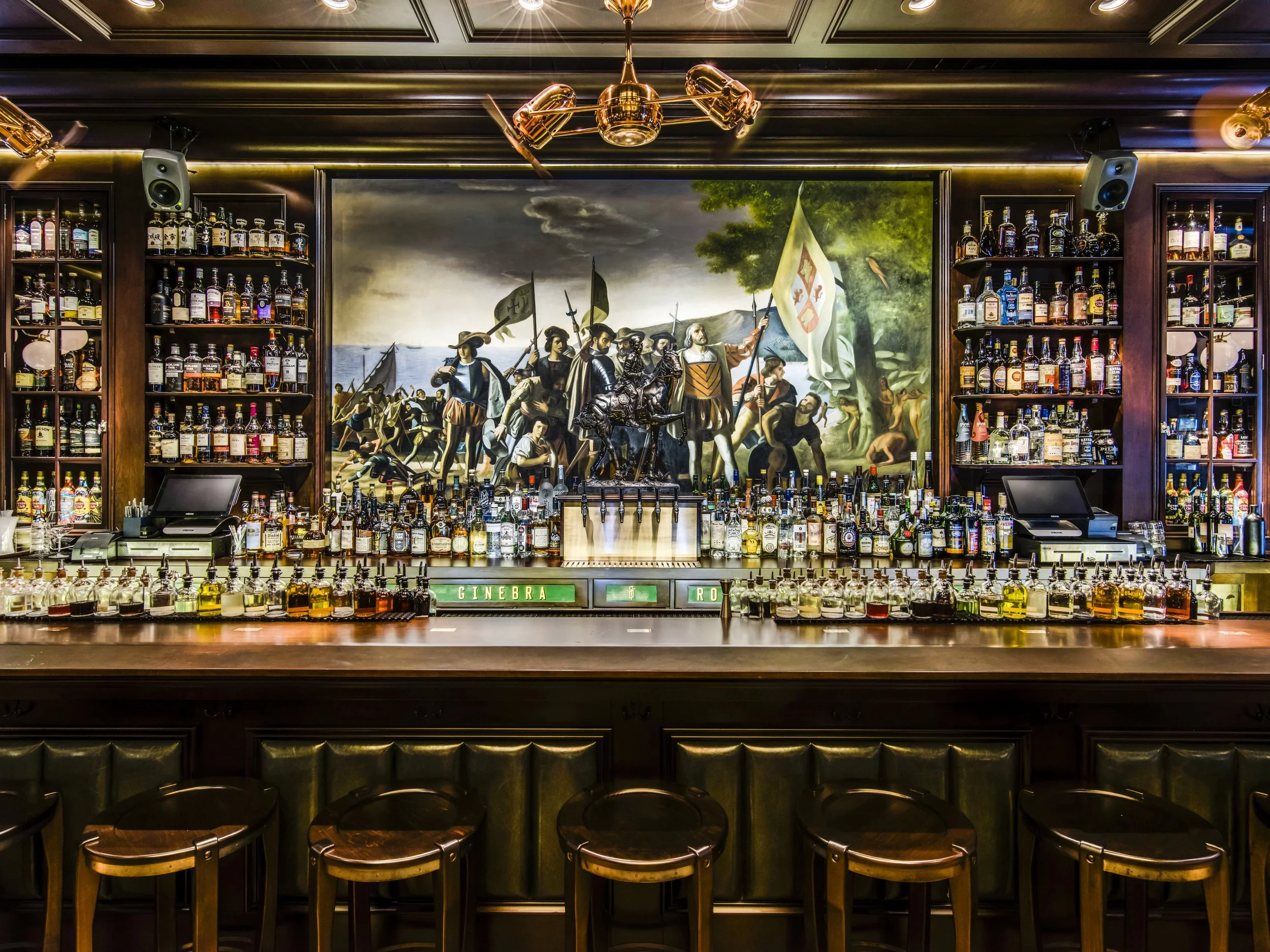
The fit-out achieved authenticity through a marriage of existing architectural bones and bespoke, period-accurate elements. Nowhere is this more evident than in the back-bar’s provocative focal point: a 135” x 85” museum-quality reproduction of John Vanderlyn’s Columbus Discovering the West Indies. To accompany the divisive colonial narrative, we designed and commissioned a statue of José Martí, triumphant on horseback, to sit directly in front of the canvas, signaling Cuba’s liberation from Spanish rule.
Every tactile element was poured over in detail, from bespoke ceiling fans and period lighting fixtures to the recreation of Hemingway’s most coveted bar stool that perfectly matched the 11-degree angled bar edge.
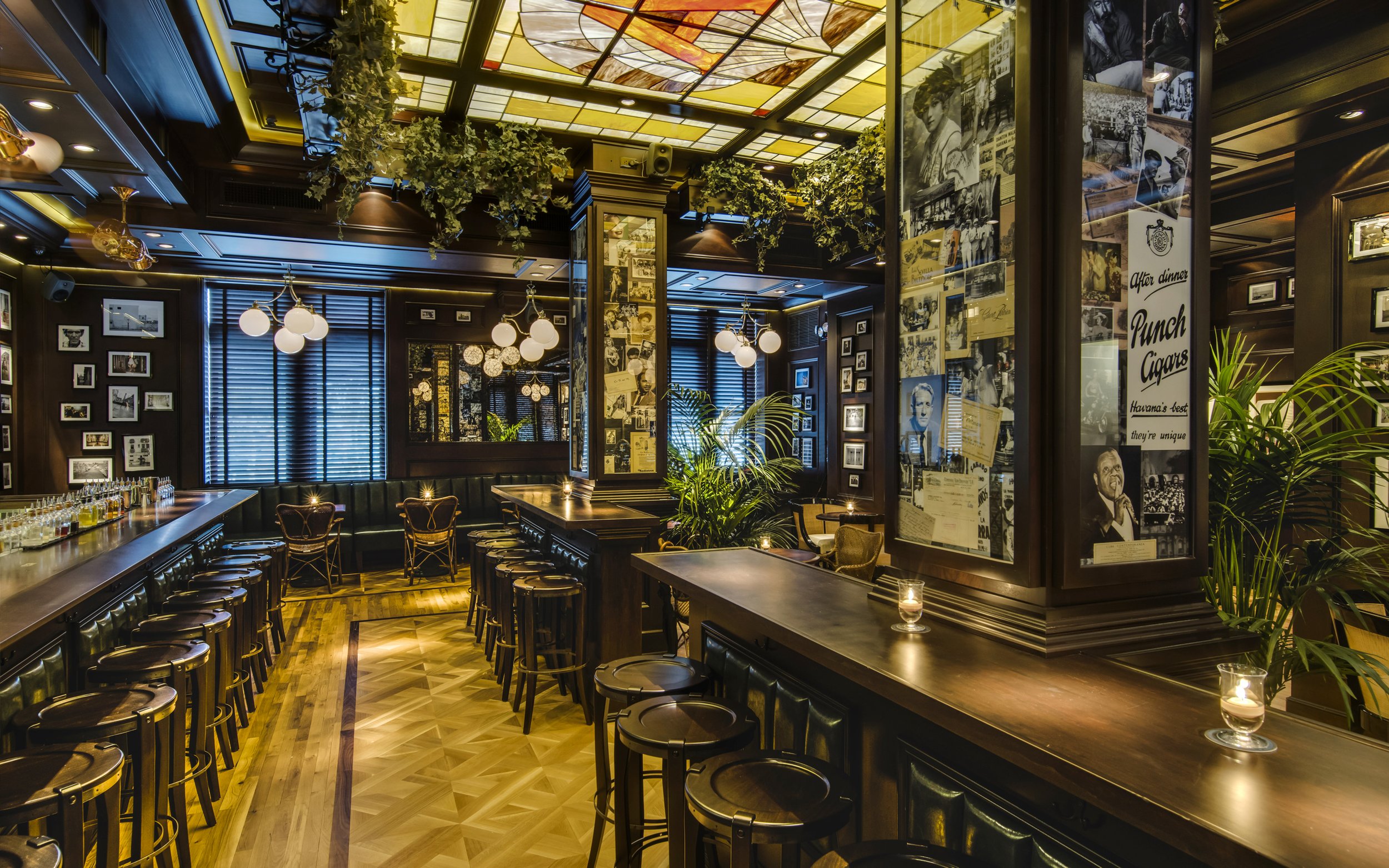
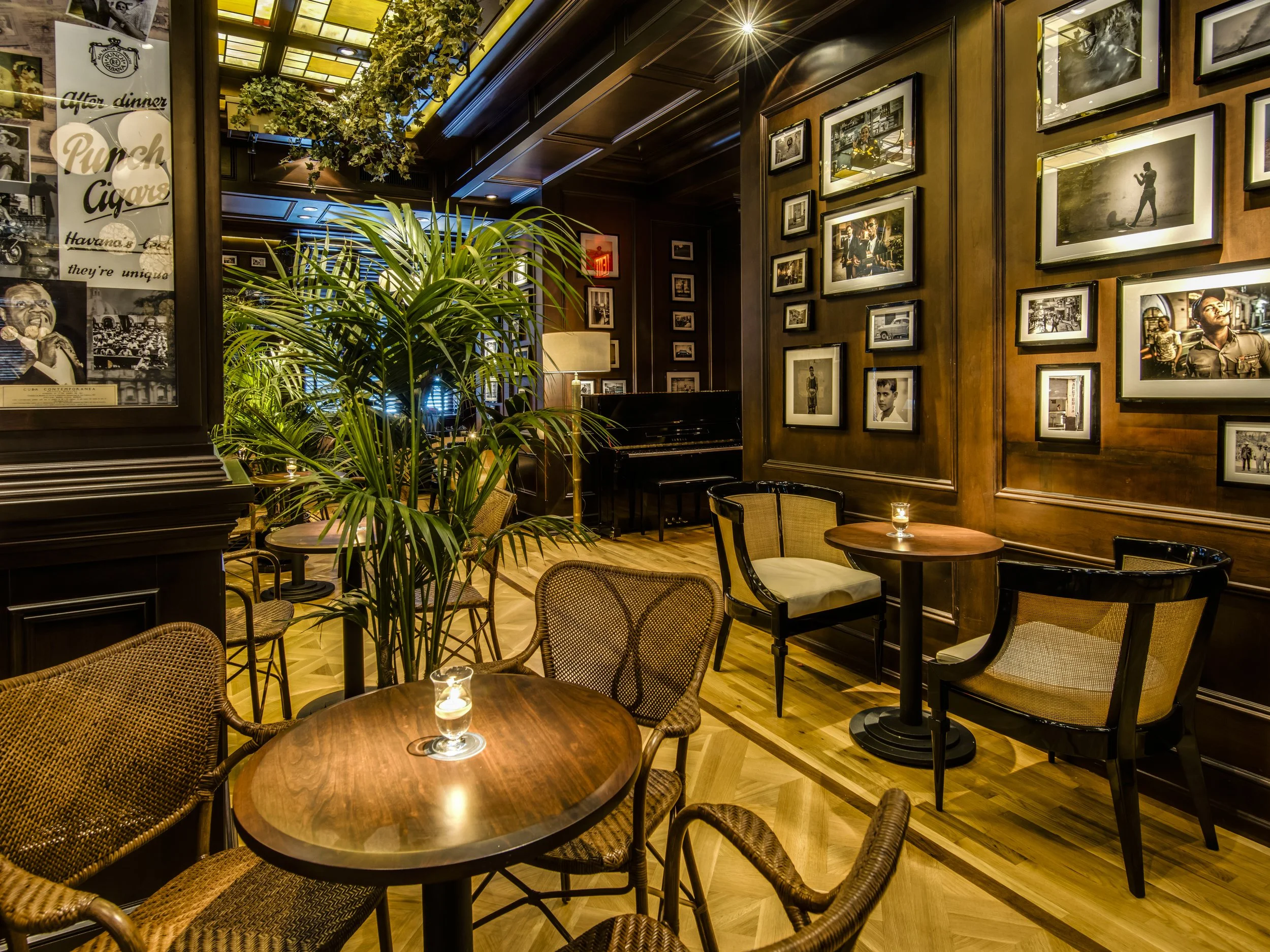
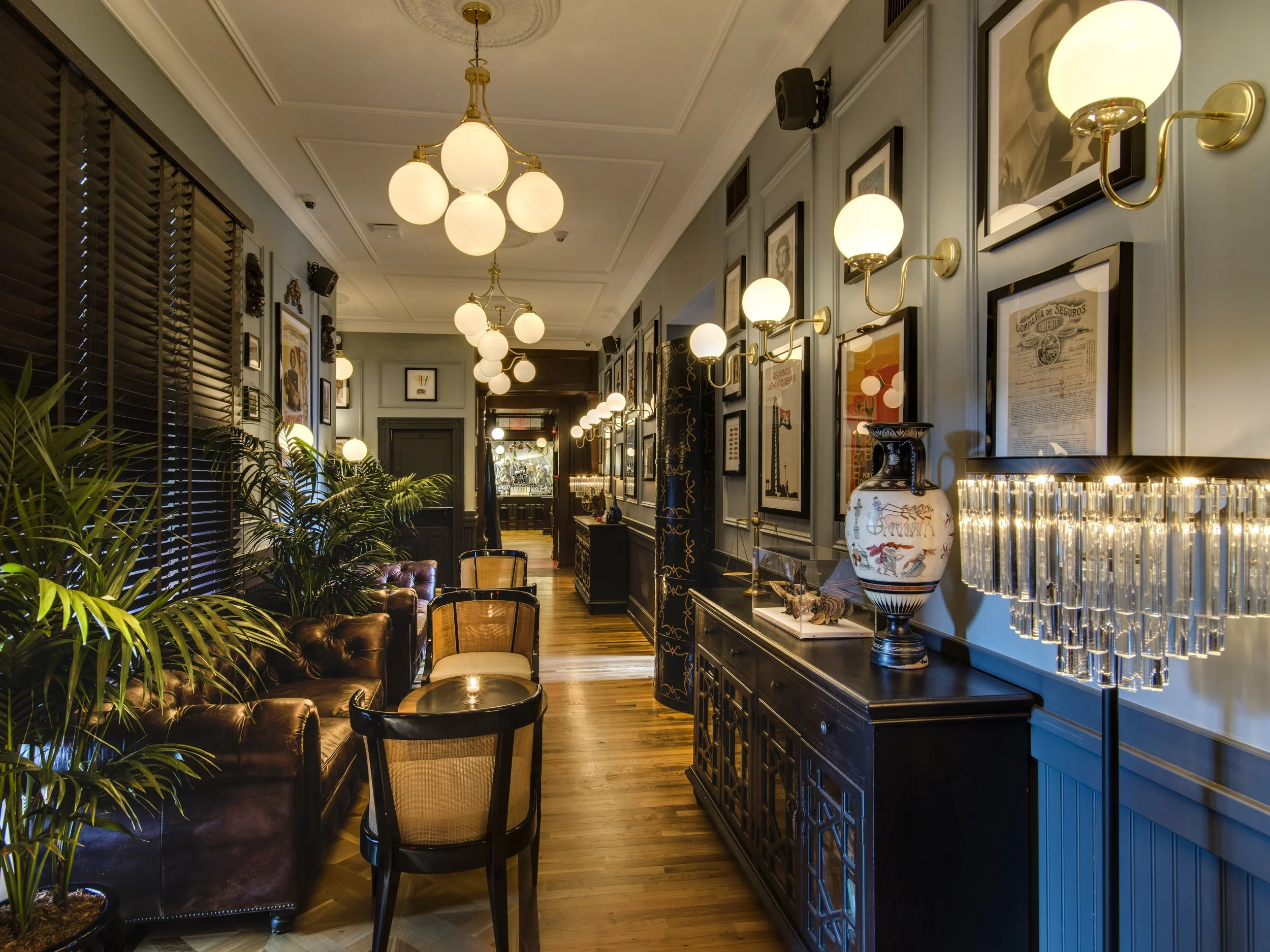
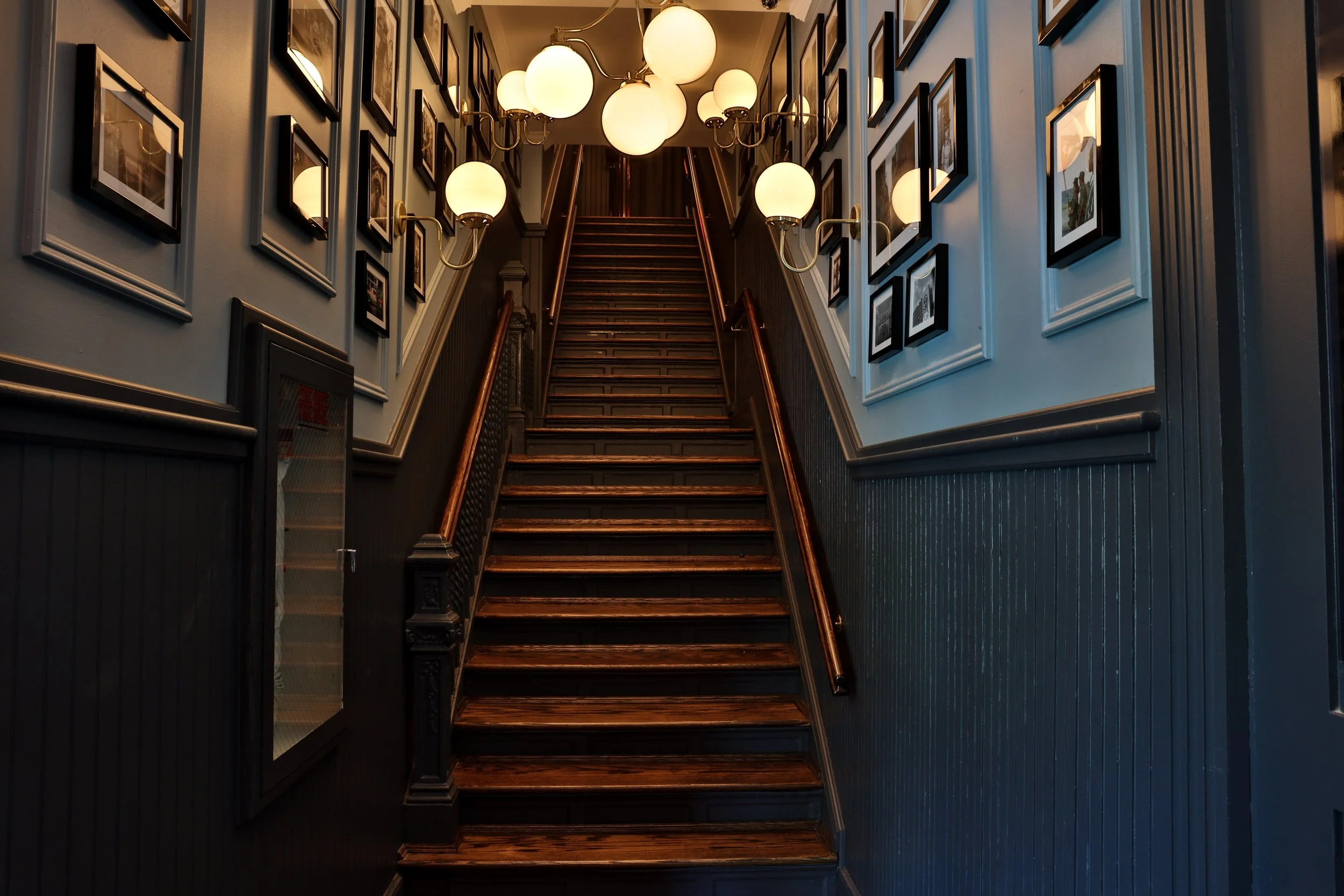
Blacktail 300 by Vern Evans
Part of the soul of BlackTail was forged in the humid, late-night fallout of a logistical disaster. After a gruelling arrival into Havana, we found themselves stranded, ourr lodgings a failed prospect. After retreating to the Hotel Capri, we sought a nerve-settling nightcap across the street. It was there that a chance glance at an iPad lock-screen led to a friendship that endures to this day. The device belonged to acclaimed LA photographer Vern Evans, and the image - a candid slice of Cuban life - was merely one of thousands. Vern had spent twenty-five years documenting the island’s heartbeat, from the crumbling neon of Havana to the tobacco-stained fields of Pinar del Río. Over drinks, a pact was struck: a commission of 300 original images to skin the walls of the New York space. What began as a travel fiasco became the most profound “happening” of the BlackTail journey.
A trilogy of utterly extravagant menus
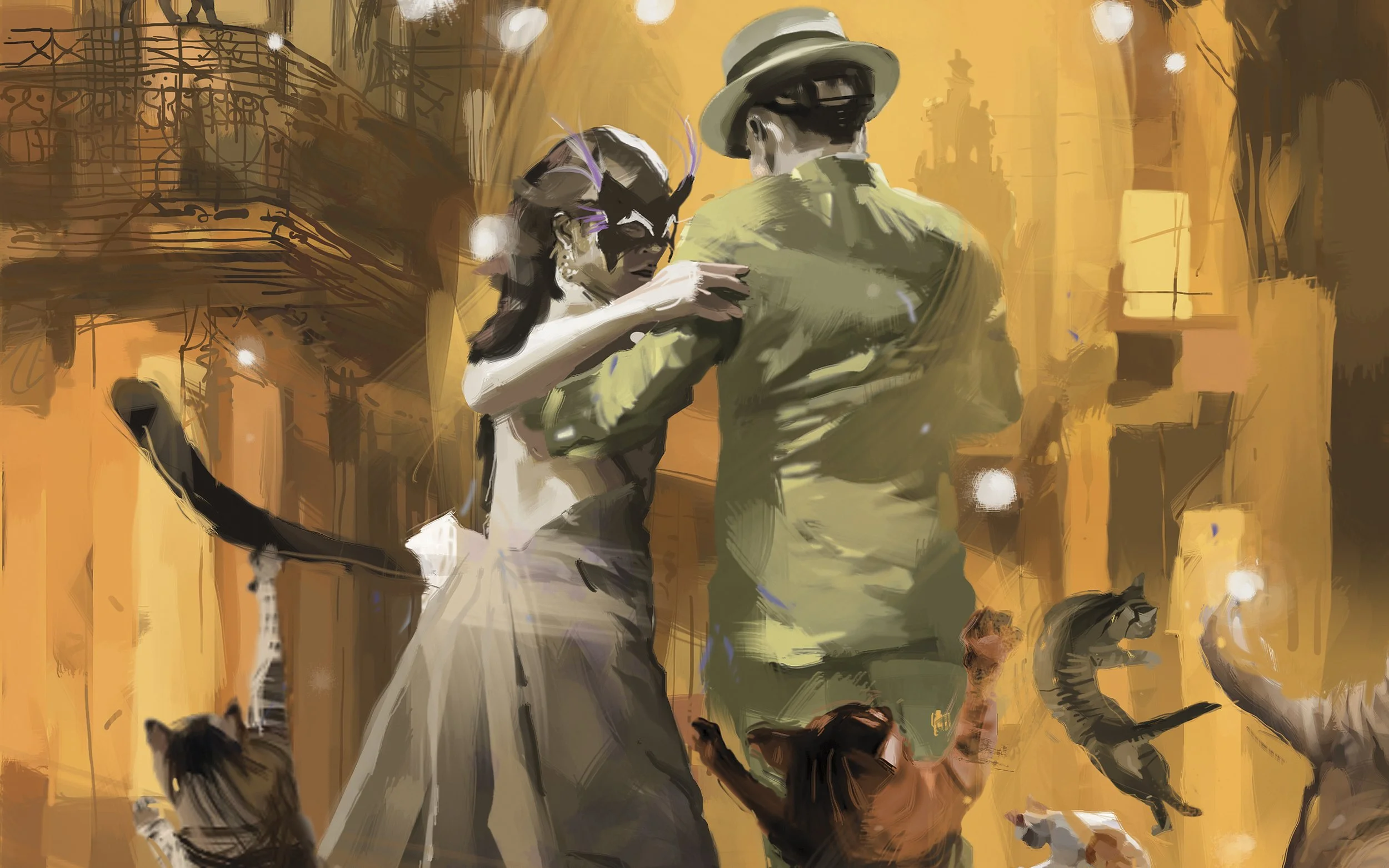
The inaugural mixed drinks list was one of three and continued our obsession with remarkable menus. Customers are taken on an 88 page voyage the moment they remove the foiled belly band and open the linen hard back cover. This first menu leads with the story of a failing writer in the 1920’s. Aiming to restart his career he travels to Havana to tell the story of Ed Donovan, the libertarian bar owner who moved his entire bar, floorboards and all, to Havana at the start of Prohibition. The 16 sections borrow titles from ‘Basil Woons’ book of the era entitled ‘When it’s Cocktail time in Cuba” and follows a Fear and Loathing’esque narrative that culminates in the chance meeting with the Irish American at ‘Donovans’ - A bar, meticulously researched to uncover the original story and location.